
Thanks to funding support from the Open Rivers Programme, a vital next step towards restoring nature and biodiversity in the Baltic region has begun.
The Gowienica River—one of the few remaining near-natural rivers in the Pomeranian lowlands—could soon flow freely again. Rewilding Oder Delta has been awarded a preparatory grant to plan the removal of four barriers that currently disrupt river connectivity and block fish migration. Once removed, 69 km of upstream waters will be reconnected, creating new spawning grounds and revitalizing habitats.
This preparatory phase will focus on technical feasibility, ownership structures, and securing the necessary permits—essential groundwork for a long-term strategy to rewild the river and reconnect it to the Szczecin Lagoon and the Baltic Sea.
Why It Matters: Rewilding Lowland Rivers
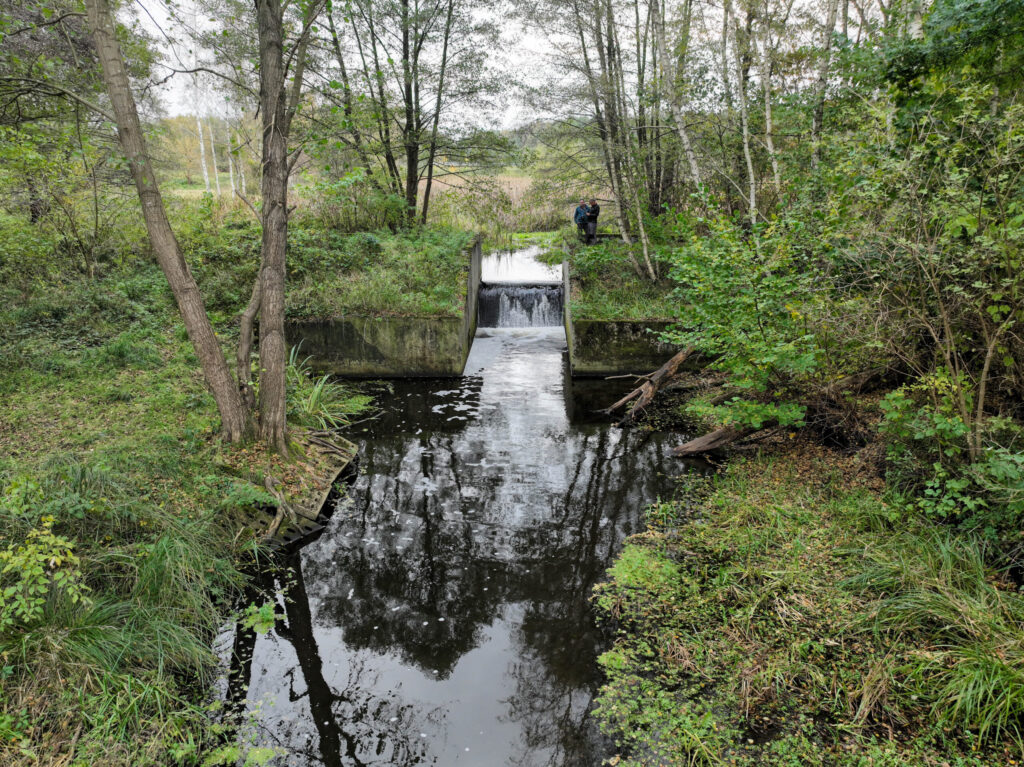
Northern European lowland rivers like the Gowienica are biodiversity hotspots, but centuries of human intervention have fragmented them. Across Pomerania, thousands of small dams and weirs were built for mills, agriculture, and water management. Today, most of these structures are obsolete, yet they remain—blocking migration routes and degrading ecosystems.
Why are these old barriers harmful?
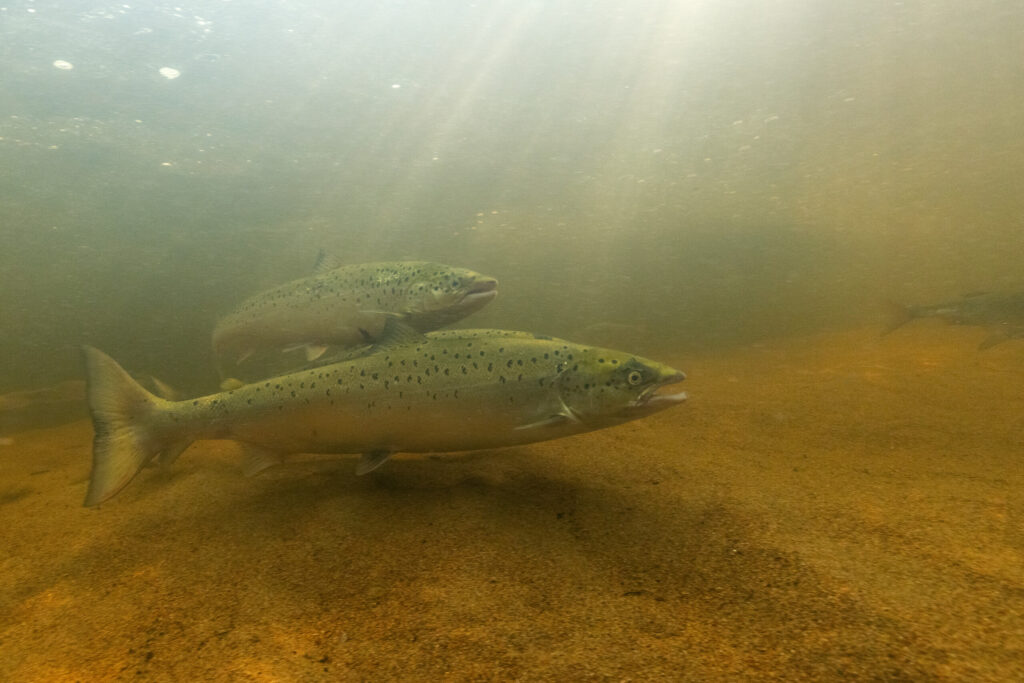
- Barrier to Migration: Even small dams prevent salmon, sea trout, and eel from reaching historic spawning grounds.
- Loss of Natural Flow: Dams slow rivers, causing sediment accumulation upstream and erosion downstream.
- Water Quality Decline: Stagnant water warms up, reducing oxygen and harming aquatic life.
- Biodiversity Collapse: Fragmented rivers cannot support healthy populations of fish, invertebrates, and plants.
Removing barriers is at the heart of the Open Rivers Programme, which aims to restore connectivity and revive river ecosystems. Free-flowing rivers are more resilient to climate change, improve water quality, and bring back habitats on which both wildlife and peopledepend.
The Gowienica River: A Hidden Gem
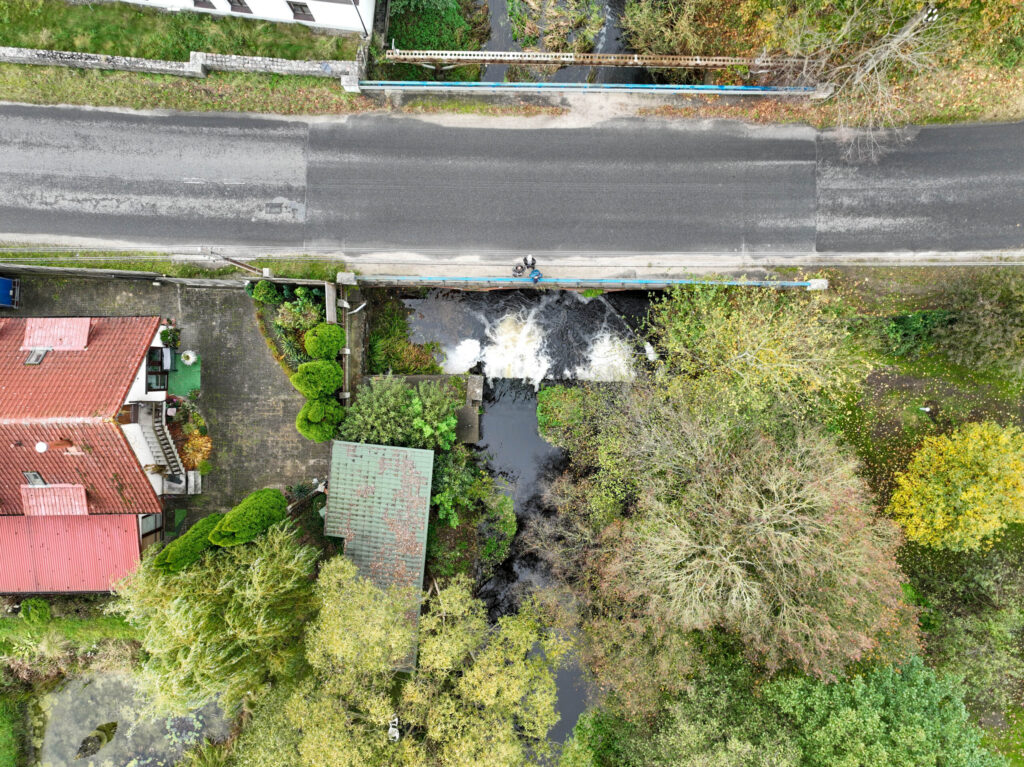
Flowing into the Szczecin Lagoon, the Gowienica boasts natural meanders, floodplains, and rare water crowfoot habitats. Its tributary, the Stepnica, is a Natura 2000 site and a known spawning area for Atlantic salmon. By planning for barrier removal now, we pave the way to unlock the river’s full ecological potential in the coming years.
Goals for This Phase
- Assess technical feasibility for removing four barriers
- Map land ownership and legal structures
- Prepare required permits and documentation
- Lay the groundwork for restoring 69 km of river connectivity
This is a crucial step in a long-term rewilding strategy—bringing more than 200 km of rivers back to life for nature and people in the coming years.

