Autumn is here, the leaves are falling, and the grass is withering. This also means that it’s time to start looking for otters again. It is particularly during the winter months that signs of their presence are most likely to be found.
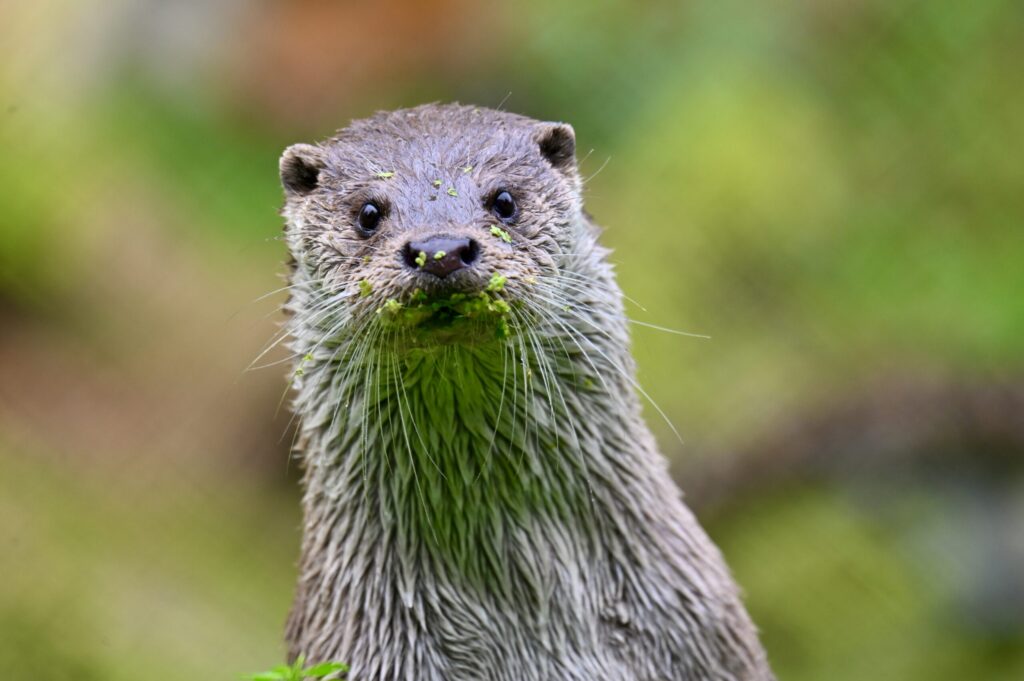
This year, too, we will be searching for otters at selected locations to determine whether and how often they roam these areas.
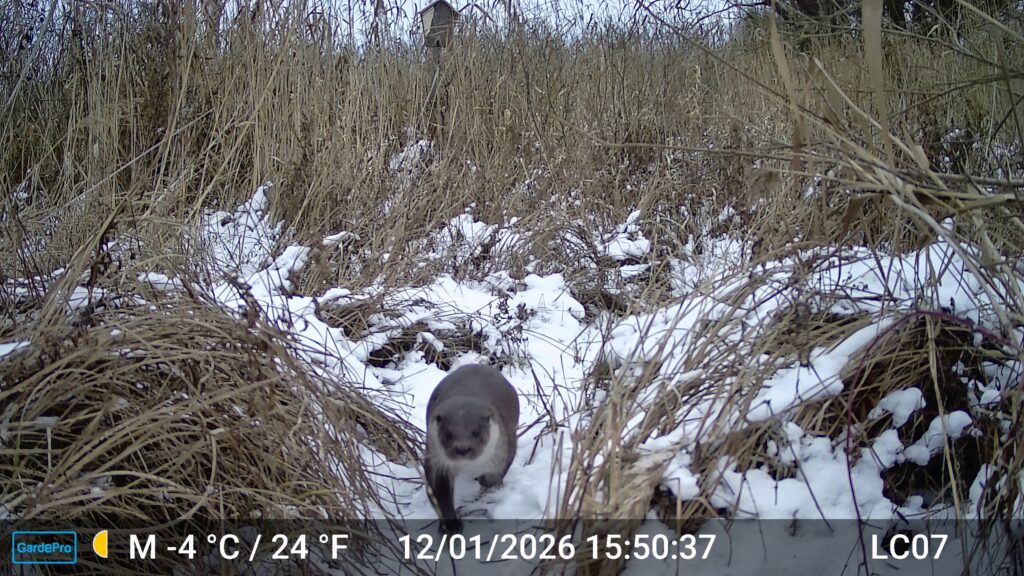
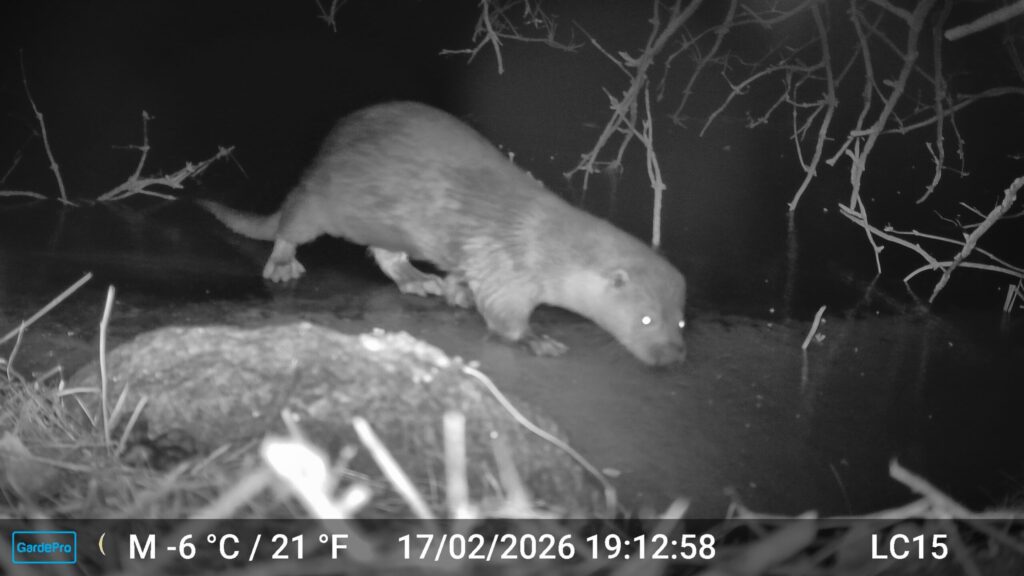
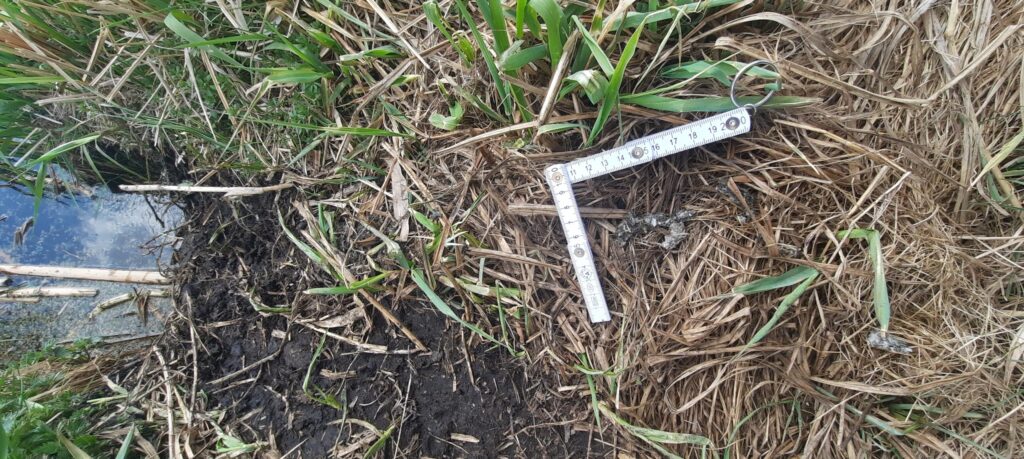
Bridges and culverts – large pipes through which water flows under roads – are particularly suitable for this. This is where otters like to deposit their droppings, or ‘markings’. In this way, they communicate indirectly with other members of their species. It is believed that otters use this to gather information – such as the age, sex, or health of another otter – or simply to signal that this area is already inhabited. We are also using so-called camera traps – cameras that are triggered automatically – to confirm the presence of otters at these locations.
This information helps us to identify which areas pose a particular danger to otters. On their night-time forays through streams, ditches, and reeds, they are constantly forced to leave the safety of the water to cross roads.
When an otter passes a camera trap and is, so to speak, ‘captured’ on film, we know that an otter-friendly crossing is needed at that spot. Such a passage could be, for example, a small tunnel or a so-called berm at a bridge. These benefit not only otters but can also be used by other animals, such as badgers, water frogs, or beavers.
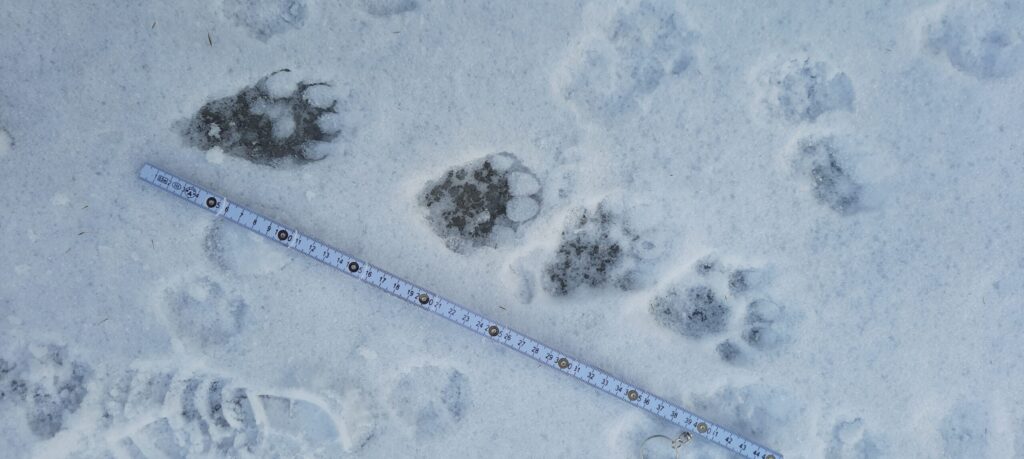
As a little taster, here are a few snapshots from the last monitoring season.