
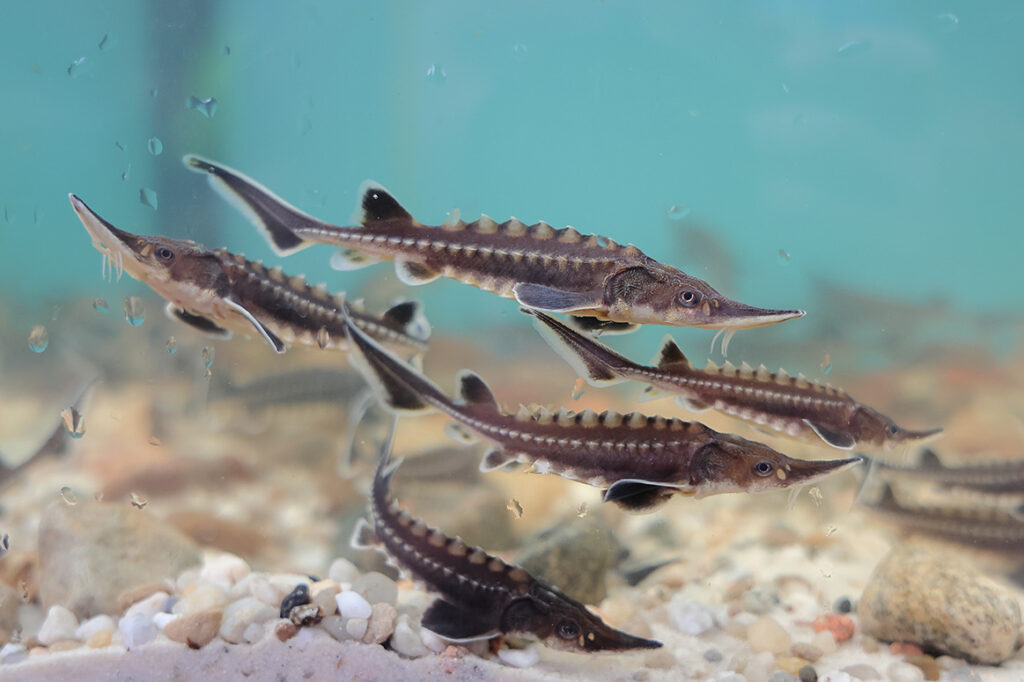
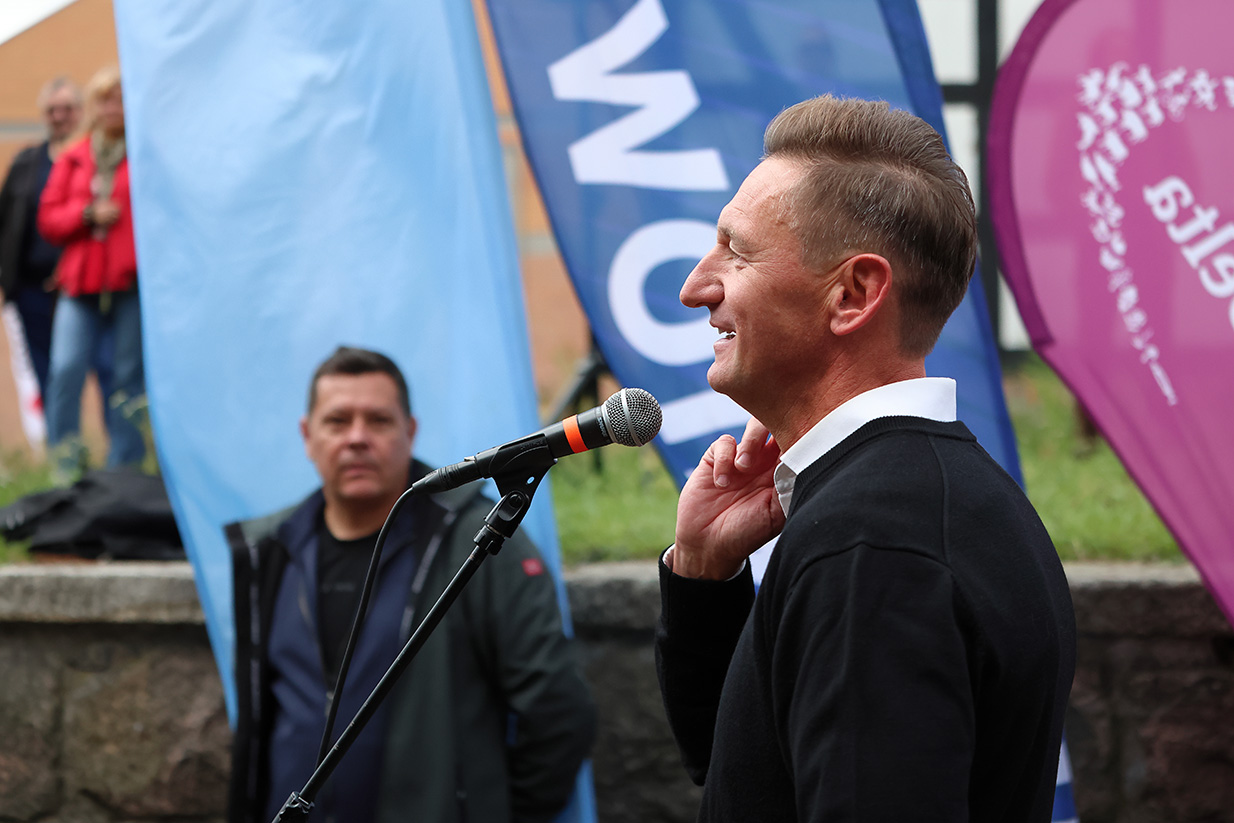
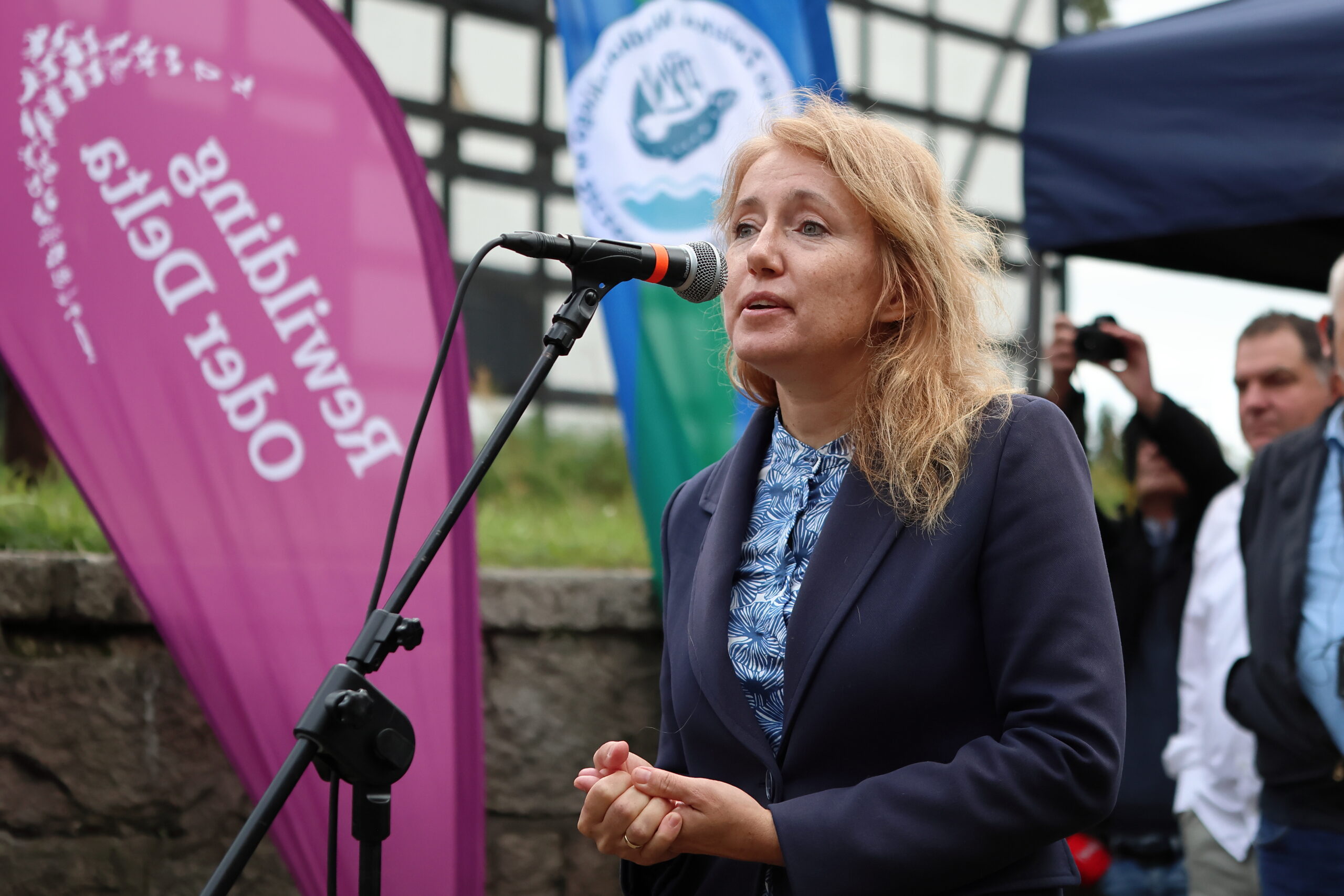
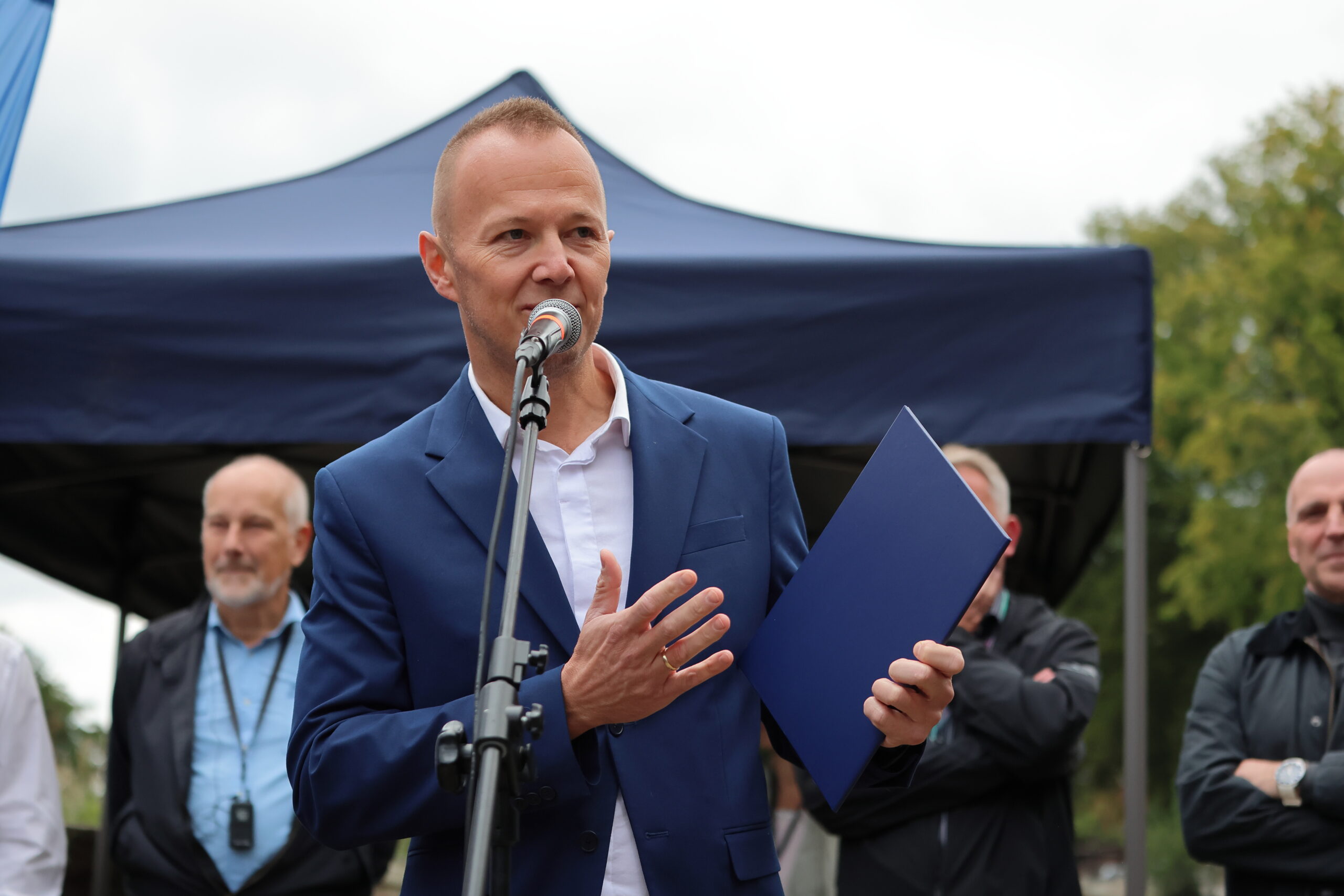
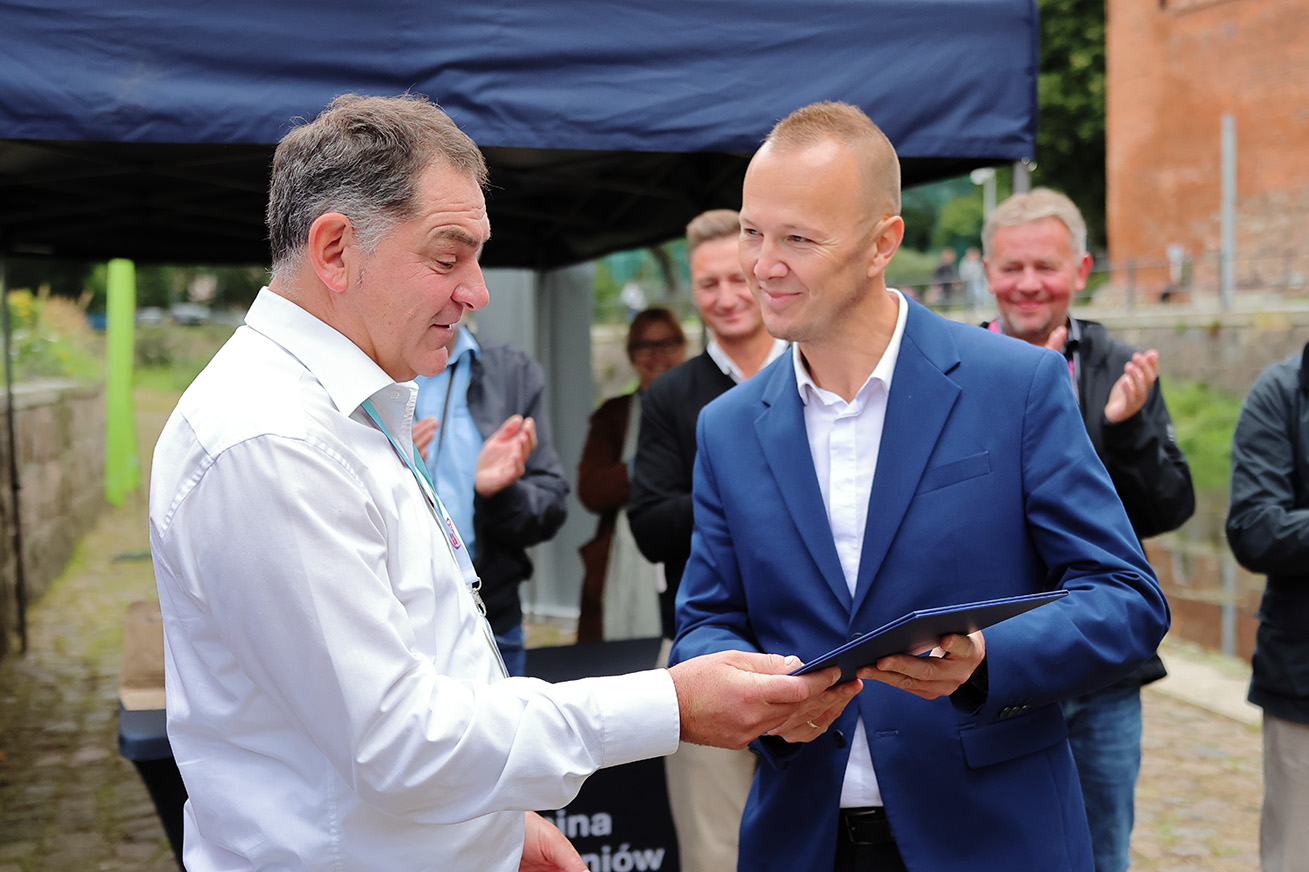
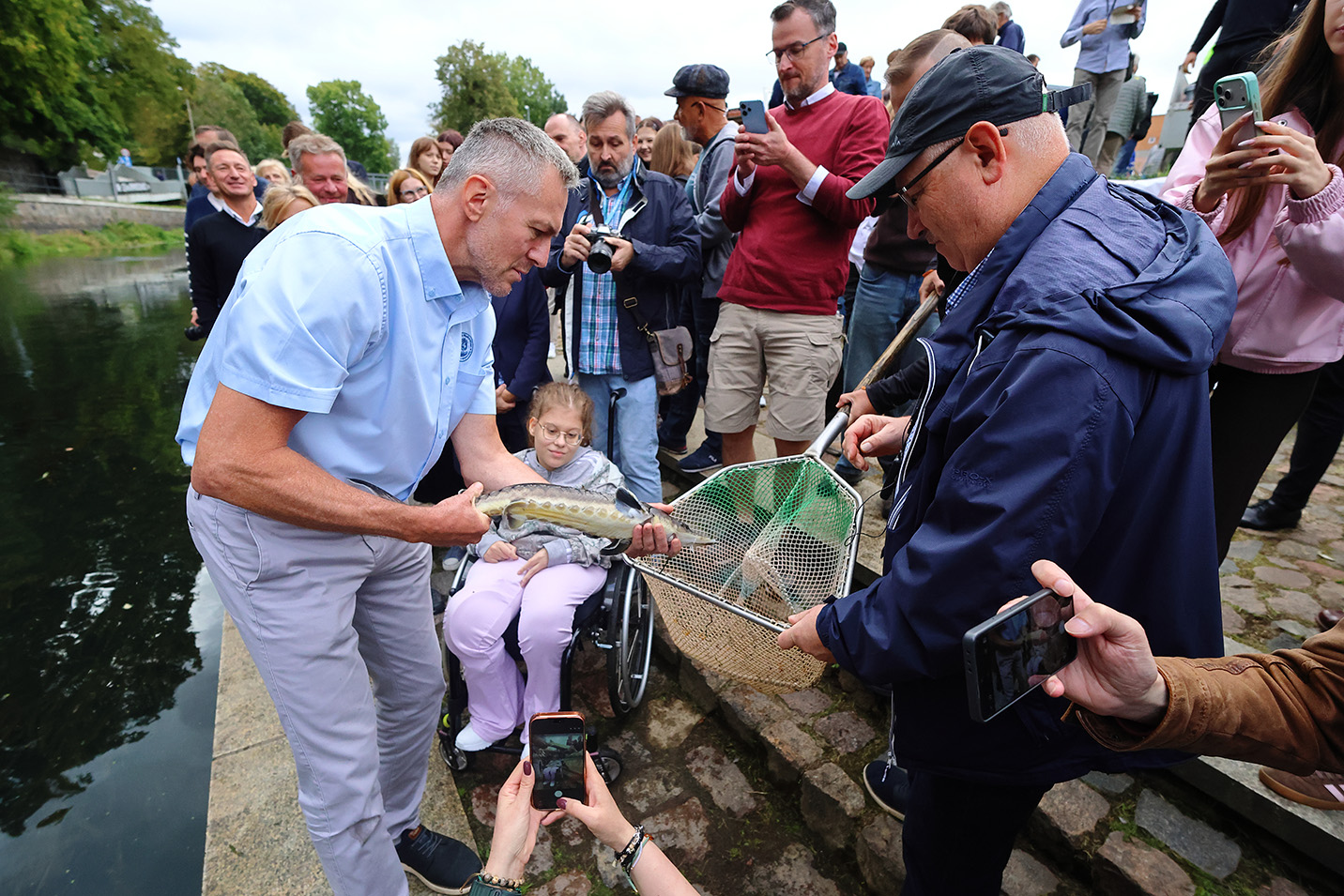
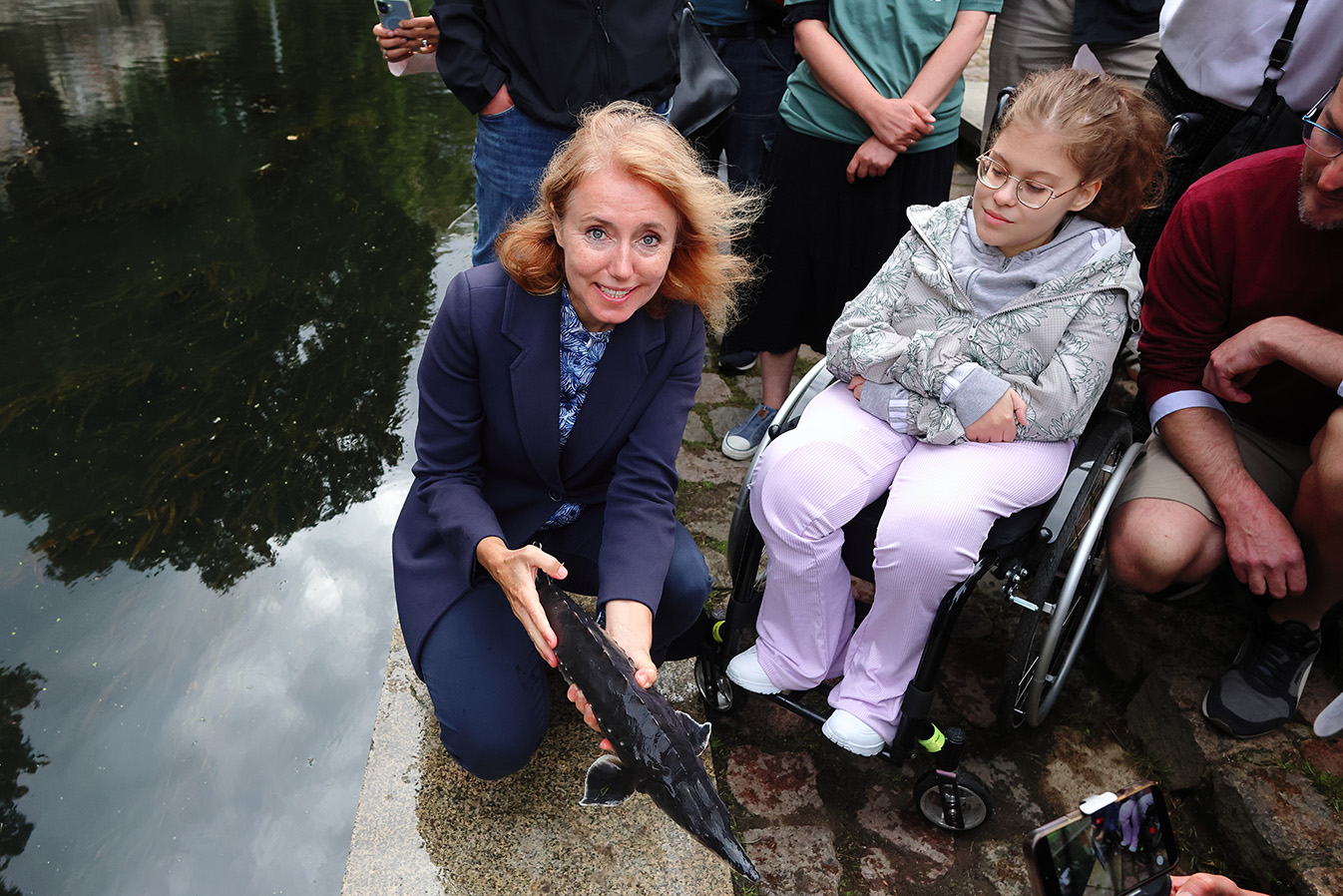
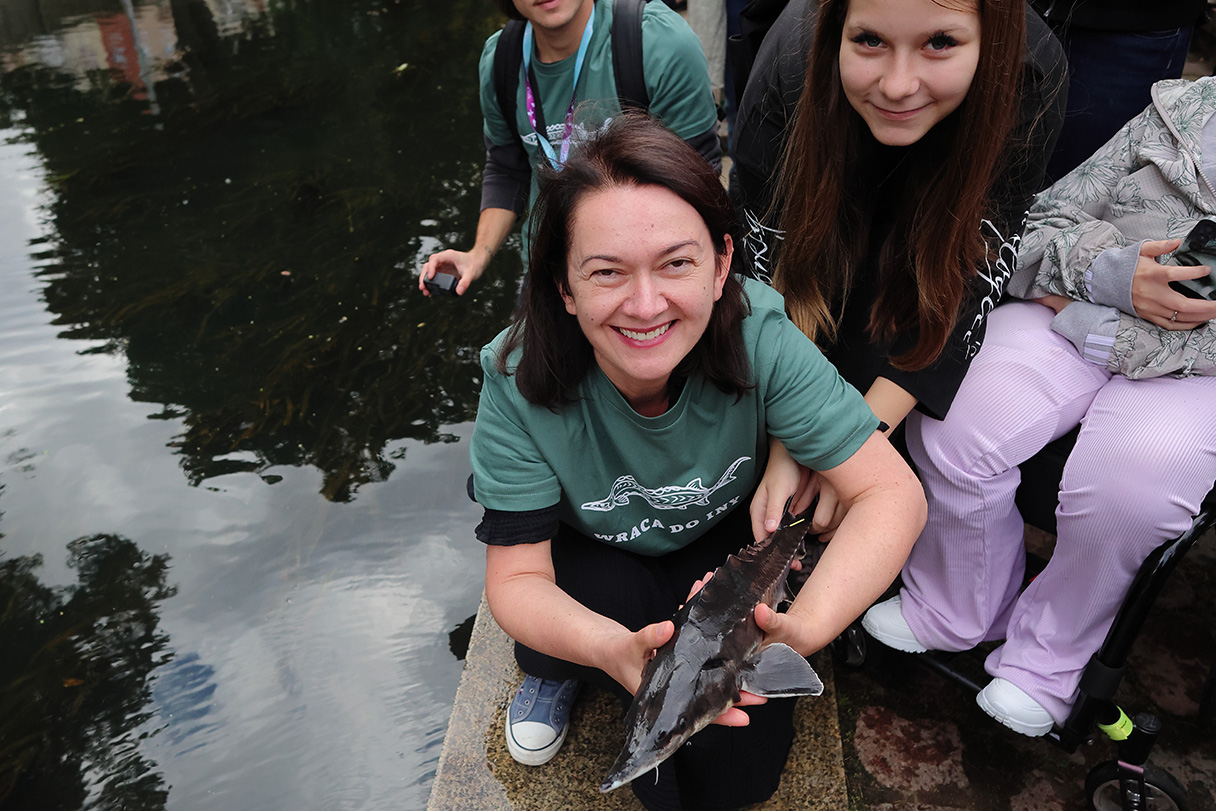
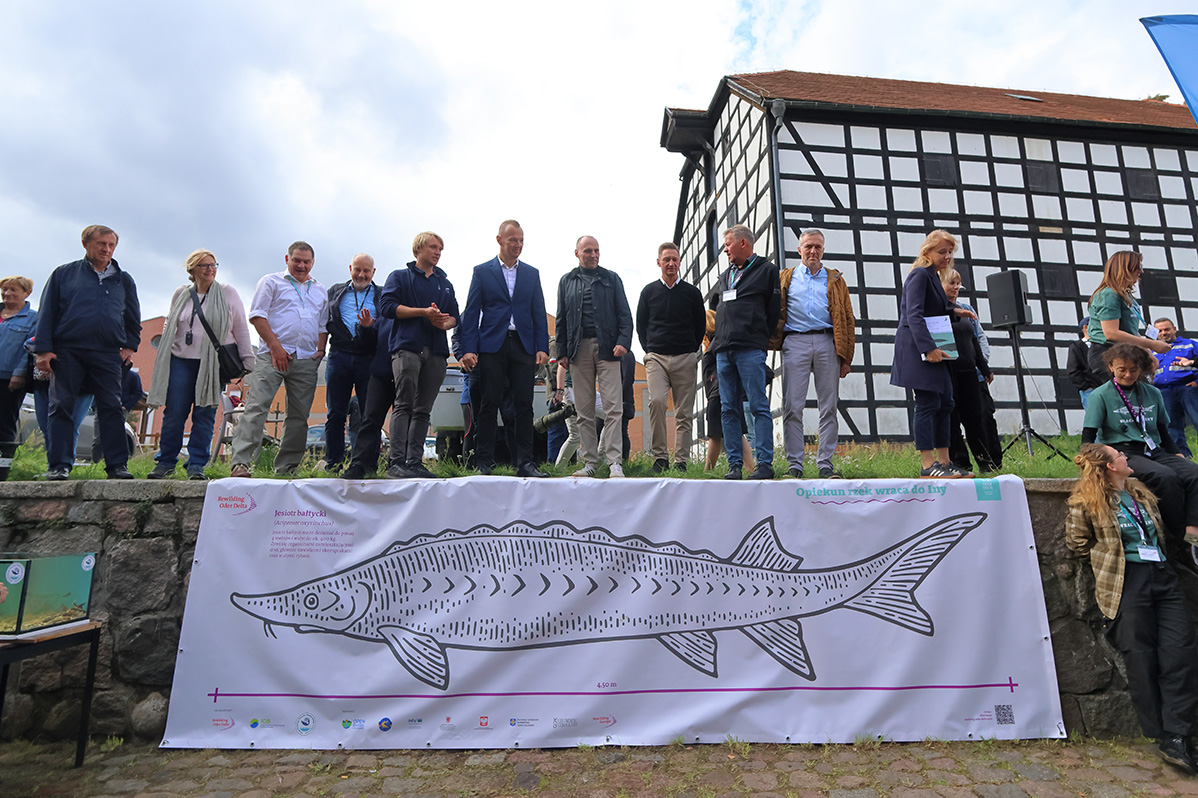
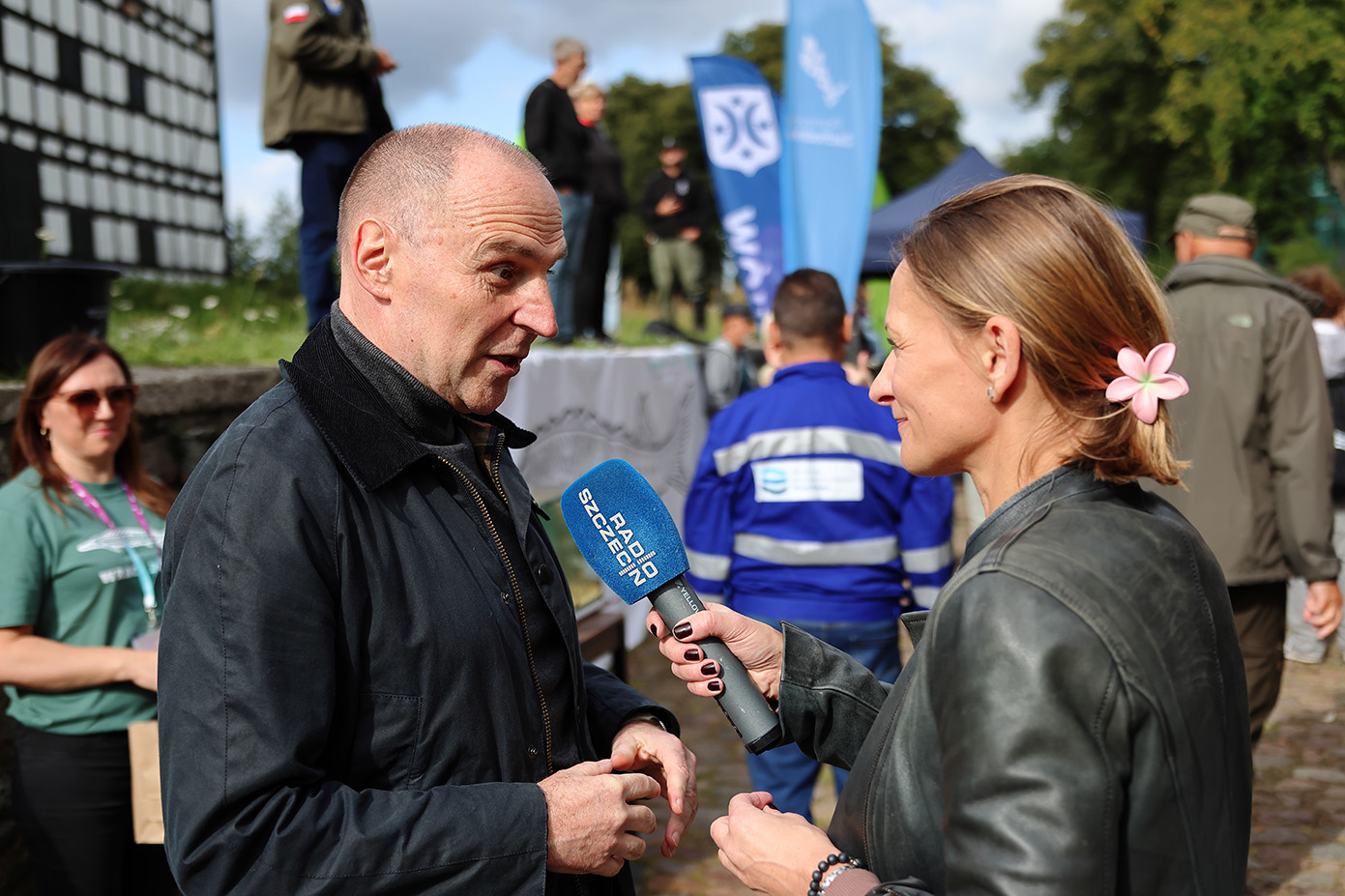
On Friday, 18 September, representatives of local authorities, scientists and experts, local activists and citizen initiatives, students and seniors jointly released Baltic sturgeon into the Ina River in Goleniów. The event, “Together for Rivers,” featured lectures, discussions, and a concluding communal picnic with exhibitions, workshops, and concerts.
The promenade in Goleniów was bustling on Friday morning. Hundreds of people had come to take part in the sturgeon release event. Baltic sturgeon, capable of reaching lengths of over four metres, went extinct in the Baltic Sea during the 20th century. The gathering was opened by thank-you speeches from project partners involved in the reintroduction of the Baltic sturgeon—Rewilding Oder Delta (ROD), the Leibniz Institute of Freshwater Ecology and Inland Fisheries (IGB) in Berlin, and the Pomeranian District of the Polish Angling Association (PZW)—as well as by remarks from local officials.
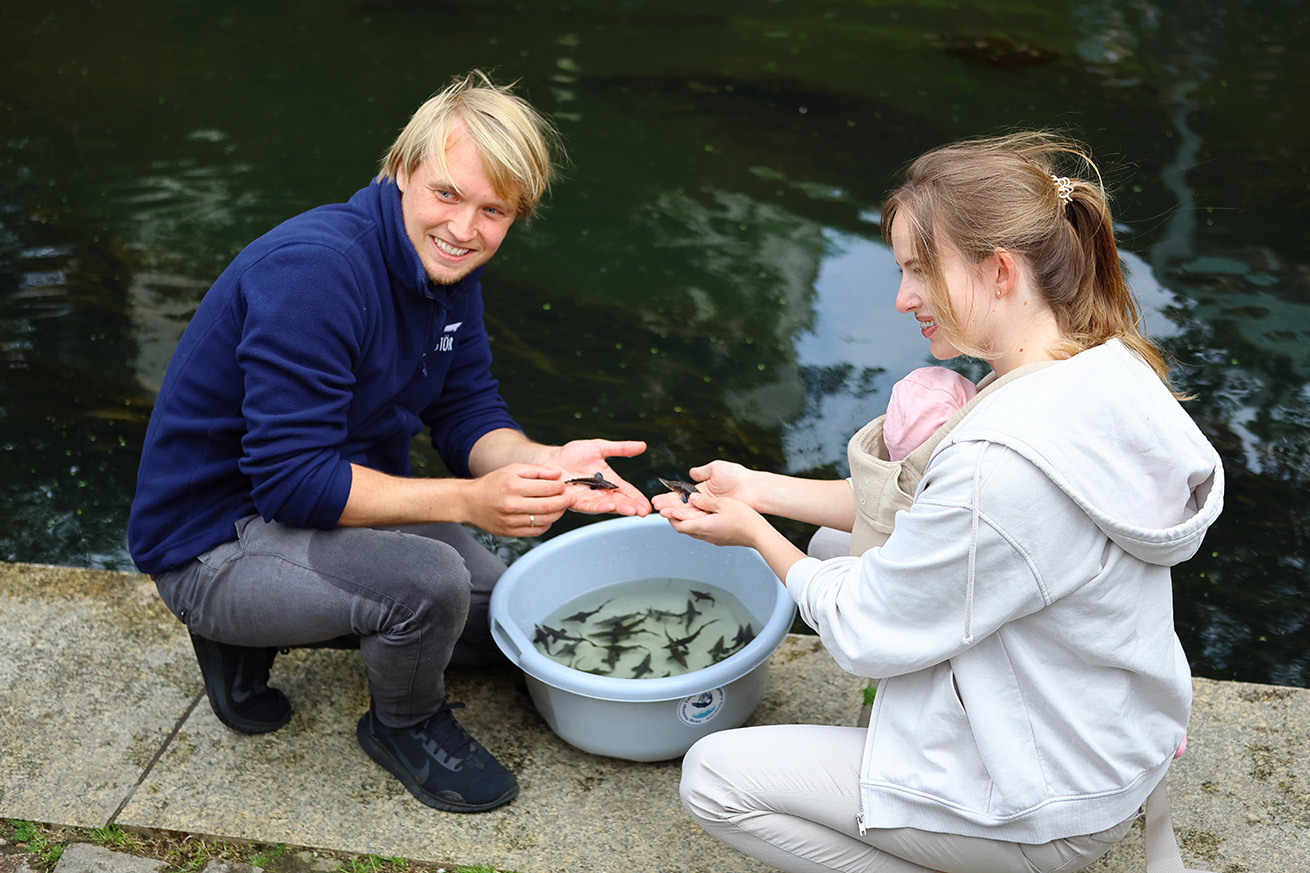
Fifteen juvenile specimens and several thousand smaller fish, each about 15 centimeters long, were released. The larger fish were ceremoniously set free by conservationists involved in species protection, including Dr Joern Gessner and Dr Jan Krzystolik (IGB), Rafał Pender (PZW), and Anne Caspari, Peter Torkler and Tomasz Pezold Knežević (ROD). The Voivode of the West Pomeranian Voivodeship, Adam Rudawski, and the Marshal of the West Pomeranian Voivodeship, Olgierd Geblewicz—both of whom had assumed the honorary patronage of the event—as well as the Mayor of the Goleniów Municipality, Krzysztof Sypień, also released sturgeon. All interested participants, including students, seniors from the University of the Third Age, anglers, and journalists, were able to release the smaller fish.
“By protecting the sturgeon and its habitats, we are also protecting many other fish species. In a barrier-free river, it is not only sturgeon that benefit, but also salmon, eels, and other migratory fish species. Therefore, all measures taken to protect the sturgeon will result in the return of other very valuable fish species to the rivers,” said Dr Jan Krzystolik.
Debates, Delicacies, and Virtual Tours
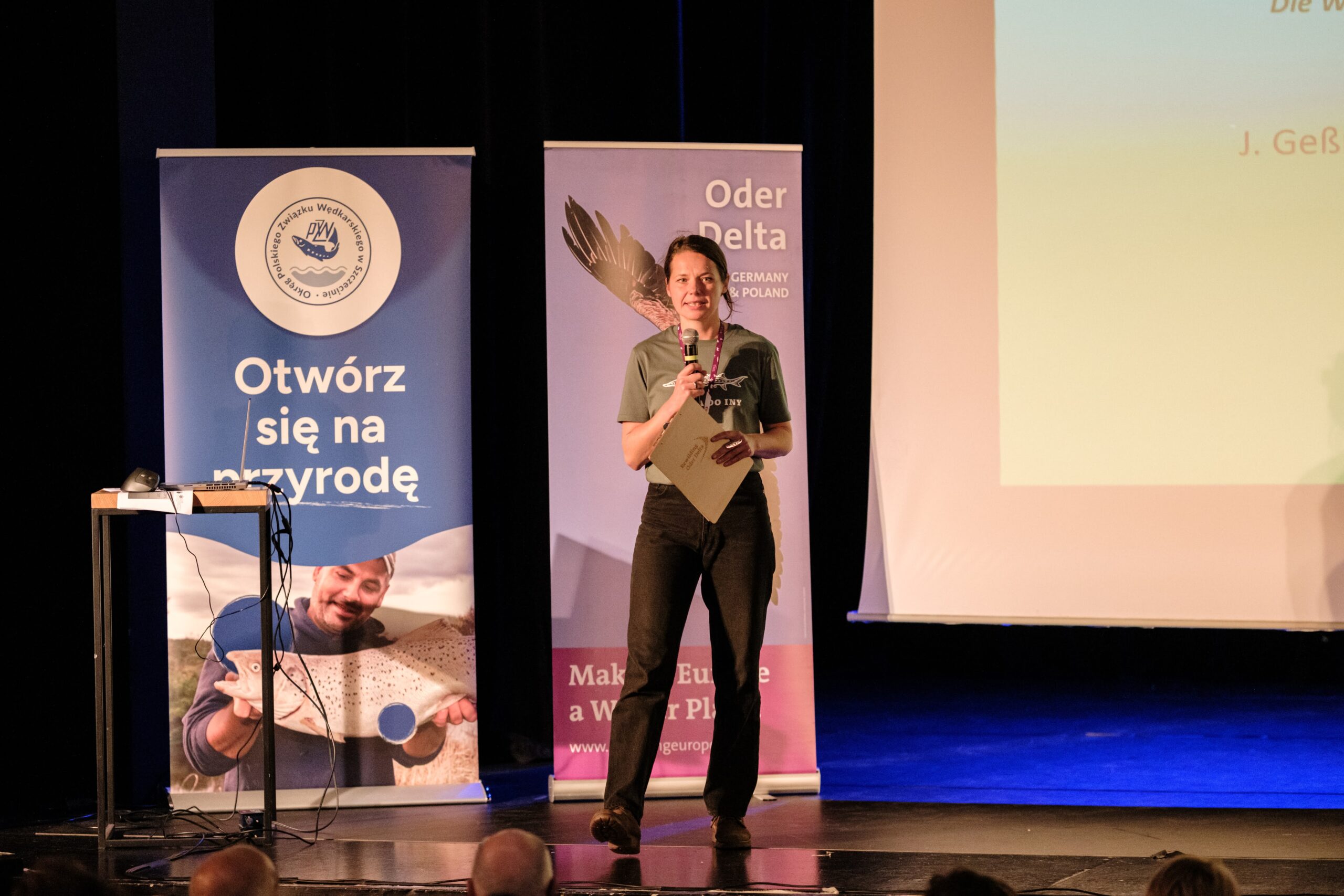
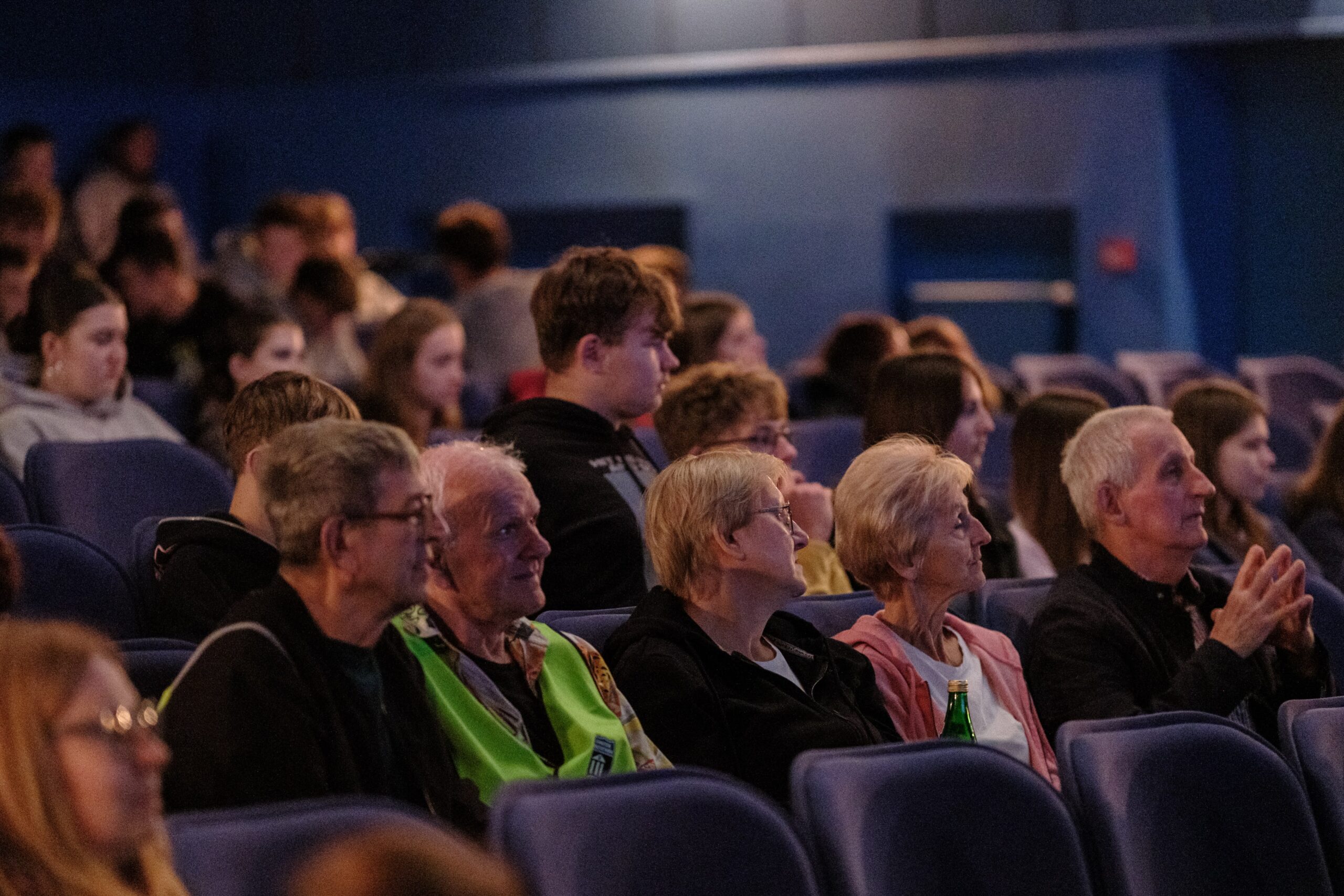
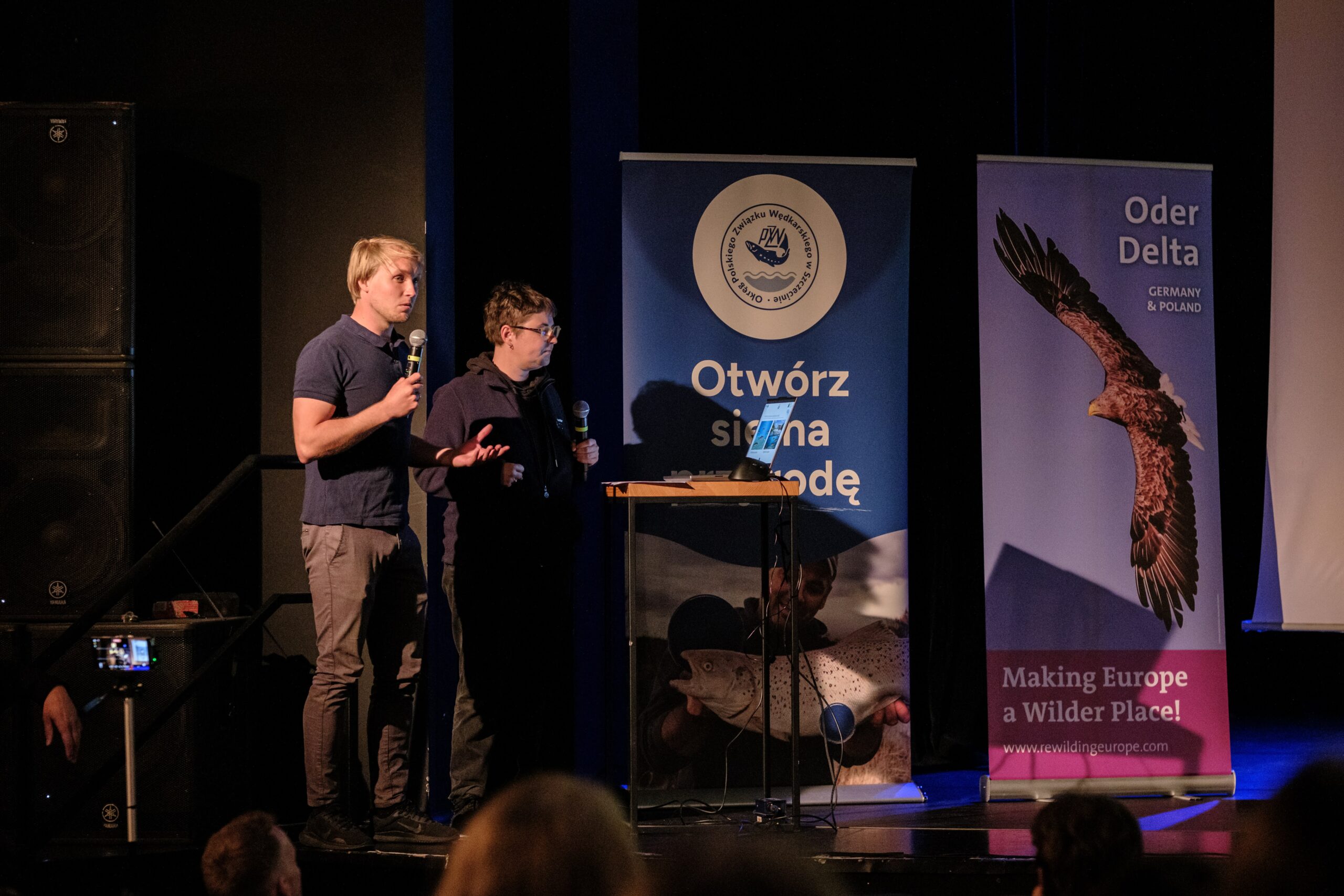
The second part of the “Together for Rivers” event took place at the Goleniów Cultural Centre. It opened with a lecture by Gerd-Michael Arndt, from State Research Institute for Agriculture and Fisheries of Mecklenburg-Western Pomerania and Dr. Joern Gessners team from the Leibniz Institute of Freshwater Ecology and Inland Fisheries (IGB) on current and past efforts to reintroduce sturgeon into the Baltic Sea and its tributaries.
“Sturgeons are among the oldest living bony fish species. They have existed for approximately 200 to 250 million years, meaning they have been around for a very long time. They survived the age of dinosaurs, several ice ages, as well as continental drift. Unfortunately, they are not well adapted to surviving in close proximity to humans, as we have managed to drive them almost to complete extinction in just about 150 years,” says Dr. Gessner.
Rafał Pender from the Polish Angling Association (PZW) presented the technical aspects and challenges of raising young sturgeon at the PZW Breeding and Stocking Centre in Goleniów, and also shared the history of the site. Professor Dr. habil. inż. Paweł Wilk from the State Research Institute for Meteorology and Water Management then addressed the issue of chemical pollutant loads in the Ina River.
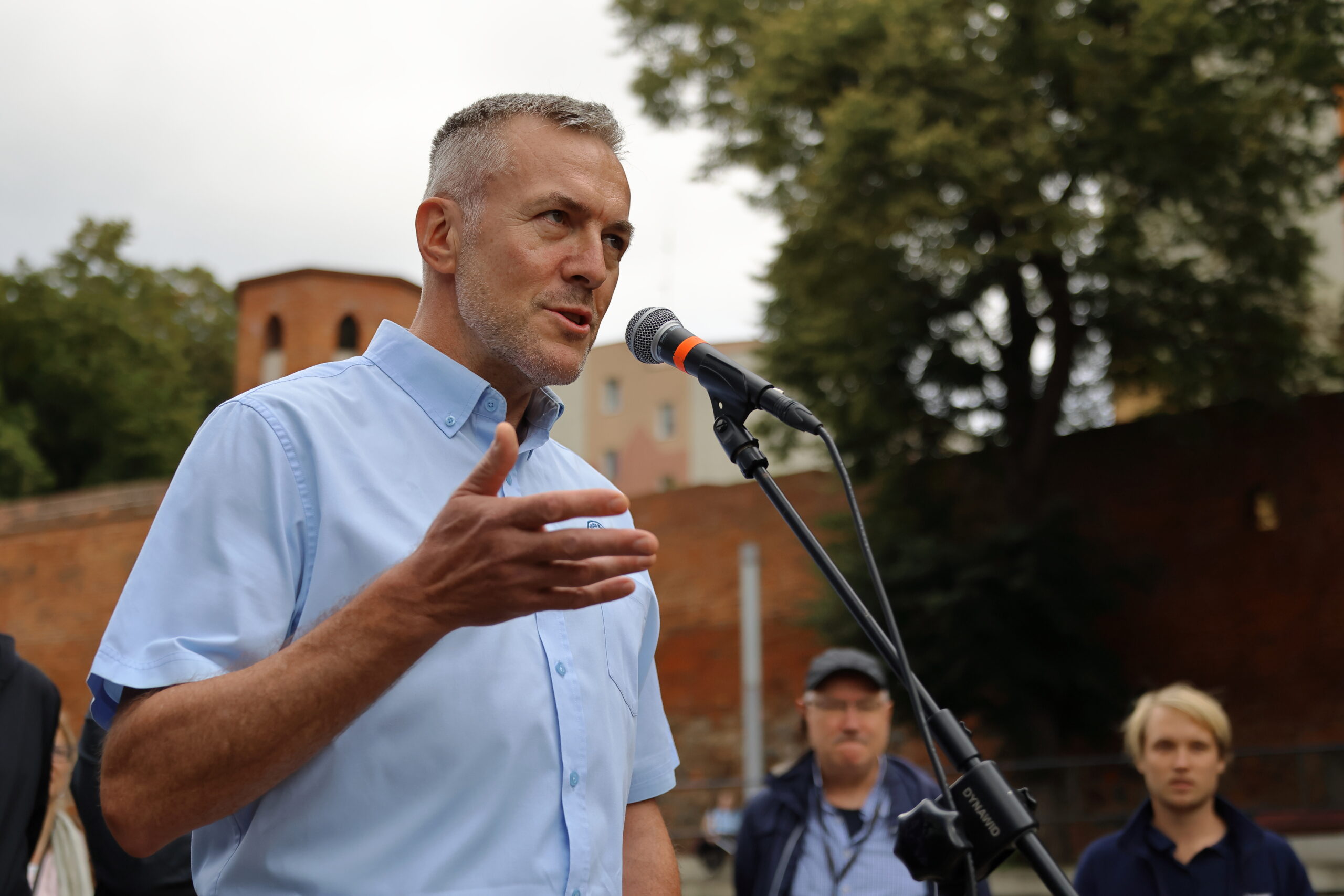
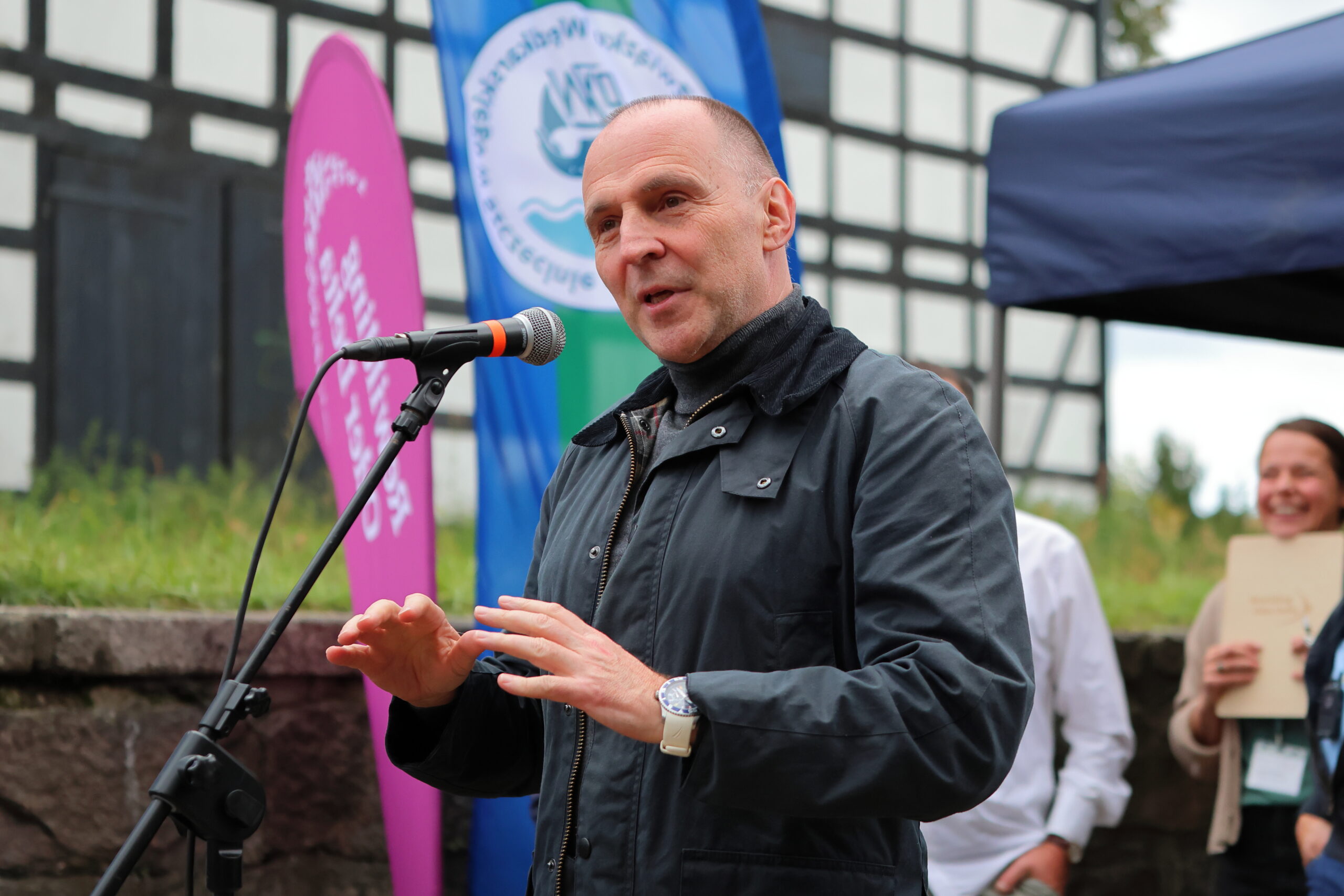
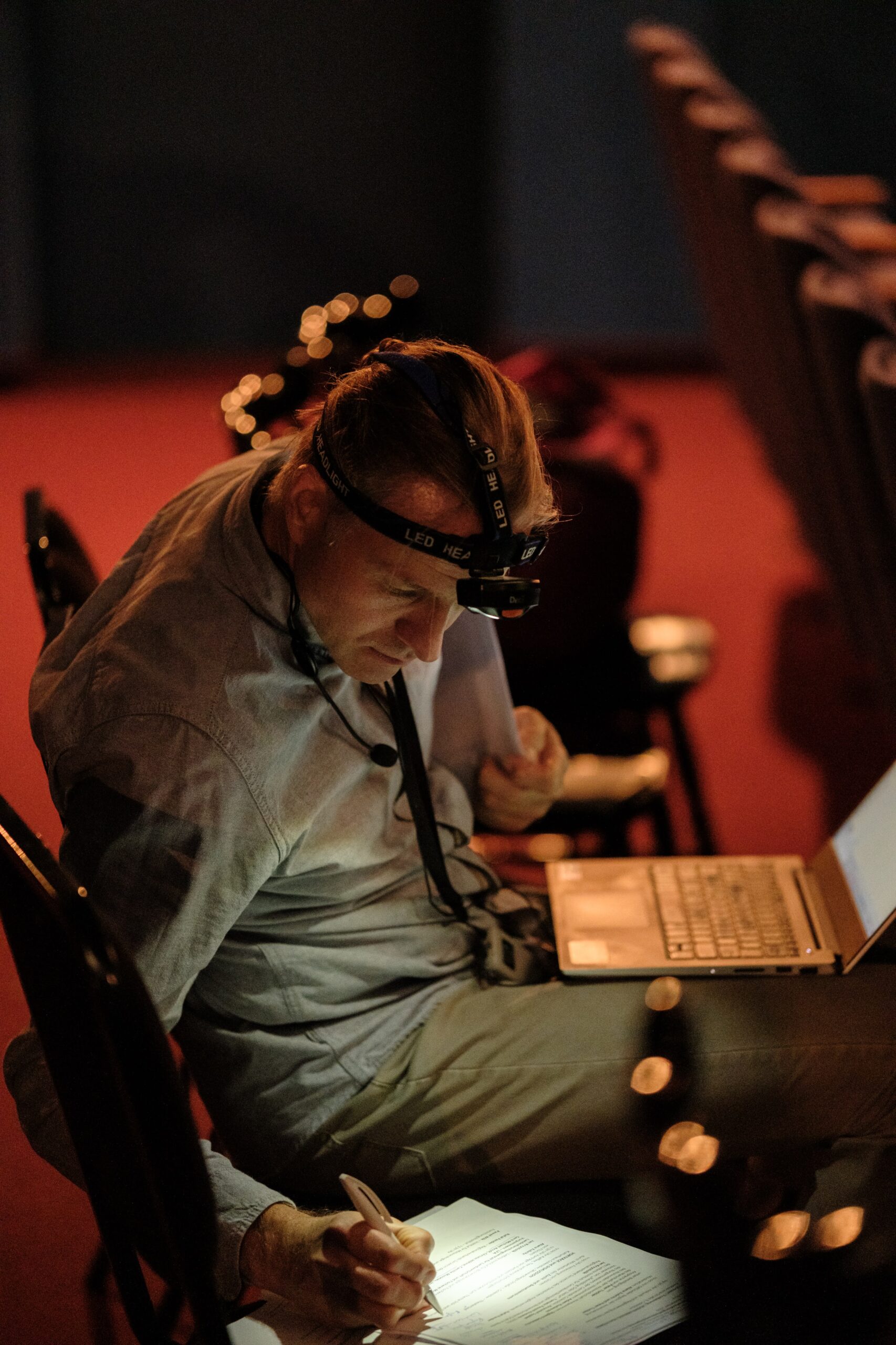
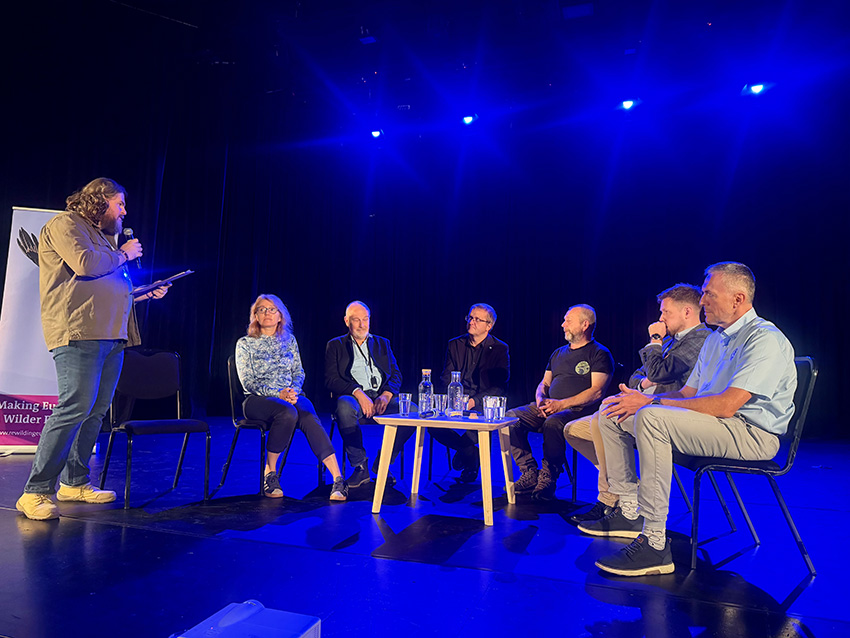
The expert segment of the event concluded with a panel discussion titled “Together for Rivers – The Ina Today and Tomorrow.” Participants included Dr. Jörn Gessner and Rafał Pender, as well as Michał Durka (Director of the Regional Water Management Authority in Szczecin, State Water Management Company Wody Polskie), Katarzyna Kamińska (Ministry of Agriculture and Rural Development, Department of Fisheries), Maciej Humiczewski (Deputy Director of the Institute for Meteorology and Water Management – State Research Institute, responsible for the State Hydrological and Meteorological Service), and Artur Furdyna (Friends of the Ina and Gowienica Rivers Association).
The central theme of the discussions was river renaturation, a process that affects not only the Ina. The benefits extend far beyond the reintroduction of sturgeon: a healthy river landscape also serves local communities. It was also emphasized that renaturation is often misunderstood. It does not involve restoring a historical state of the river, but rather removing artificial barriers to allow natural processes to take their course wherever possible.
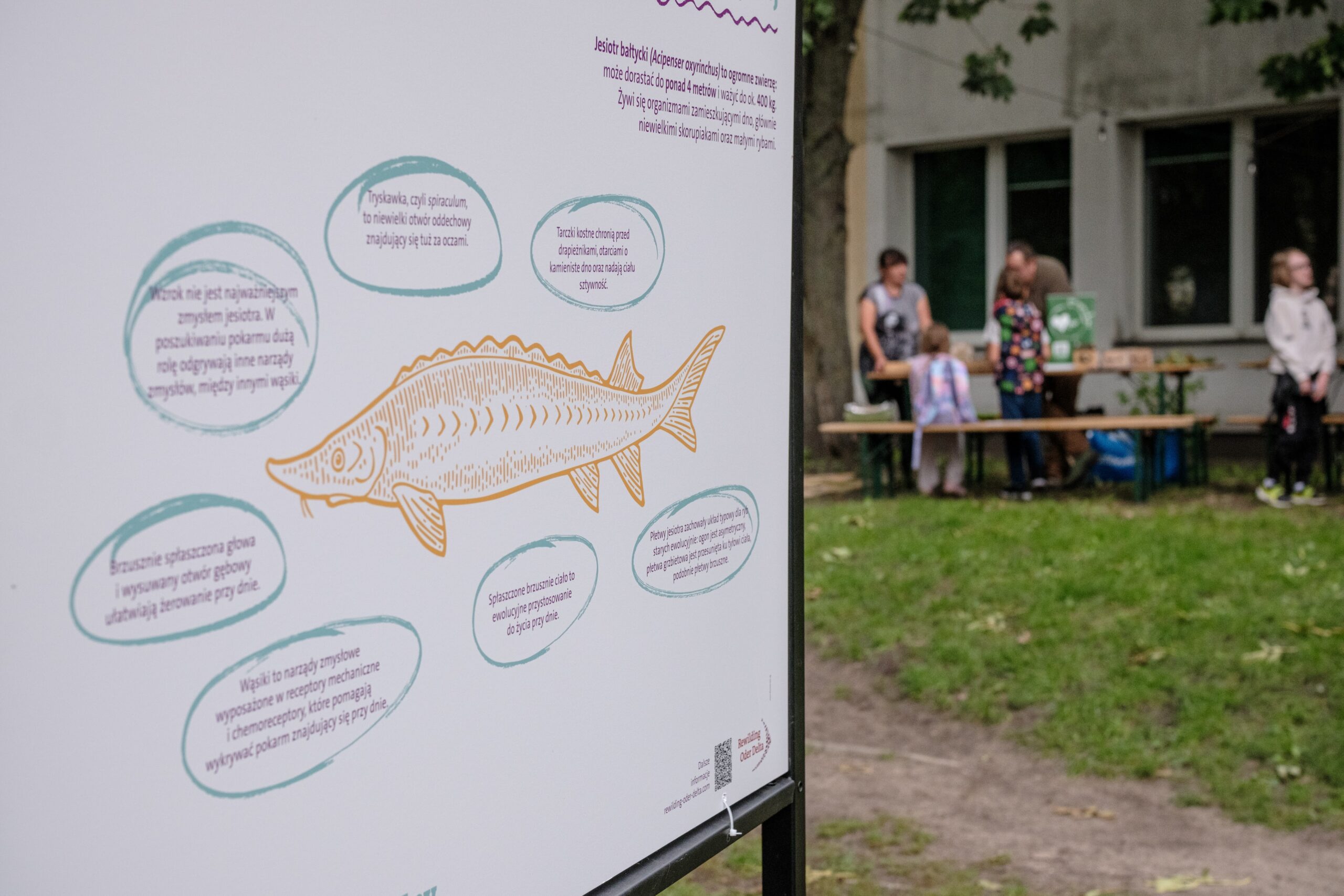
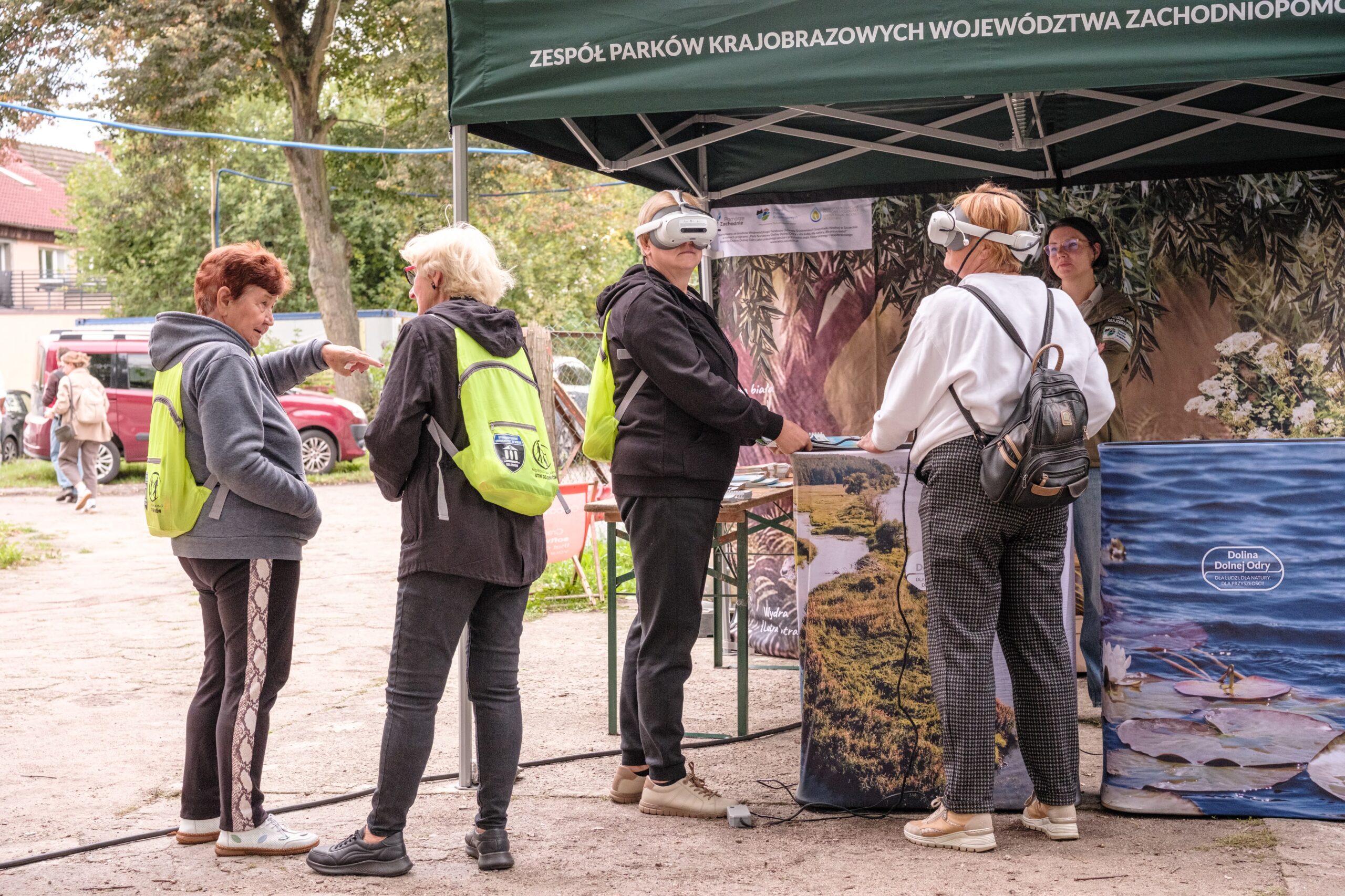
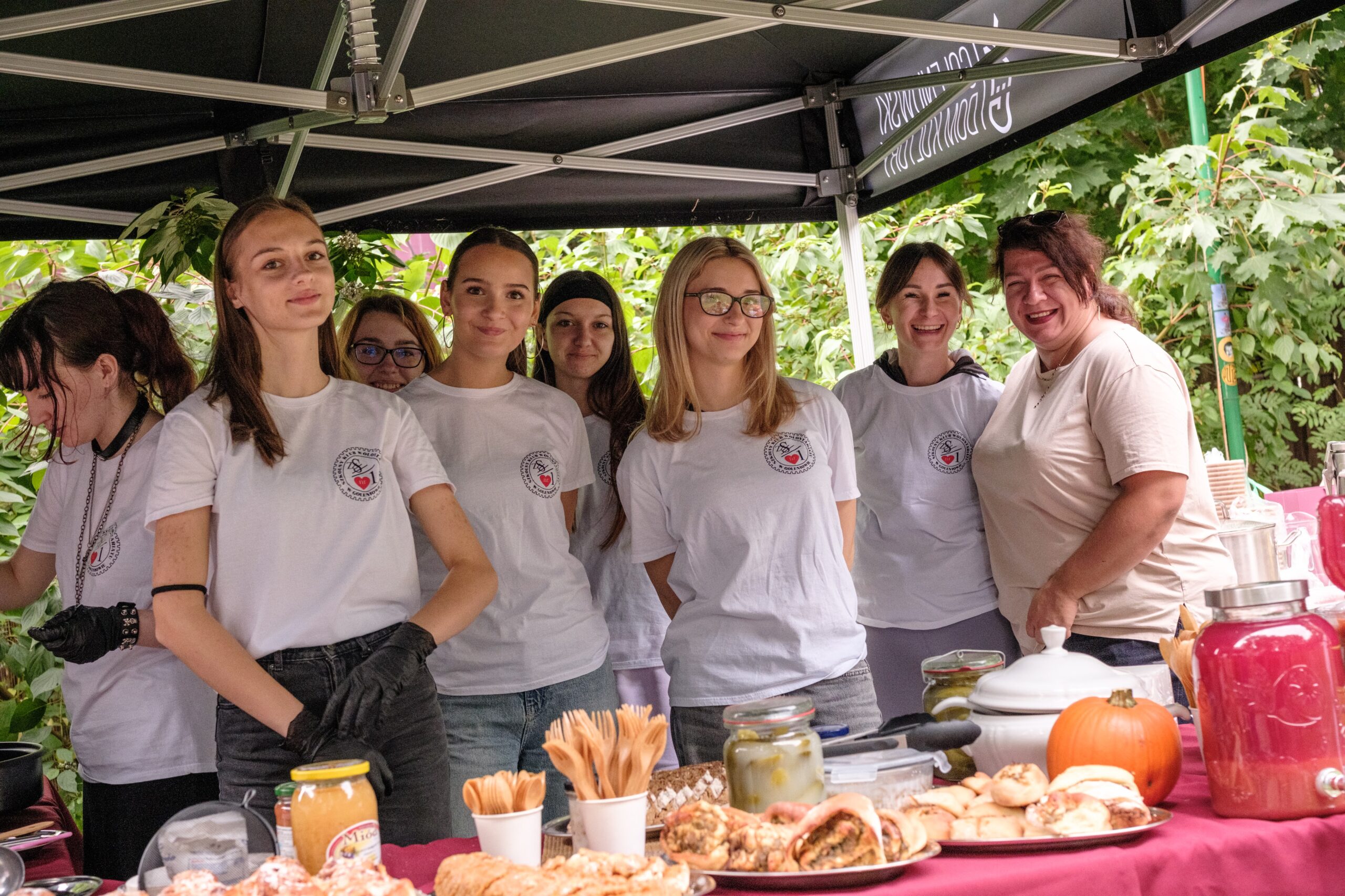
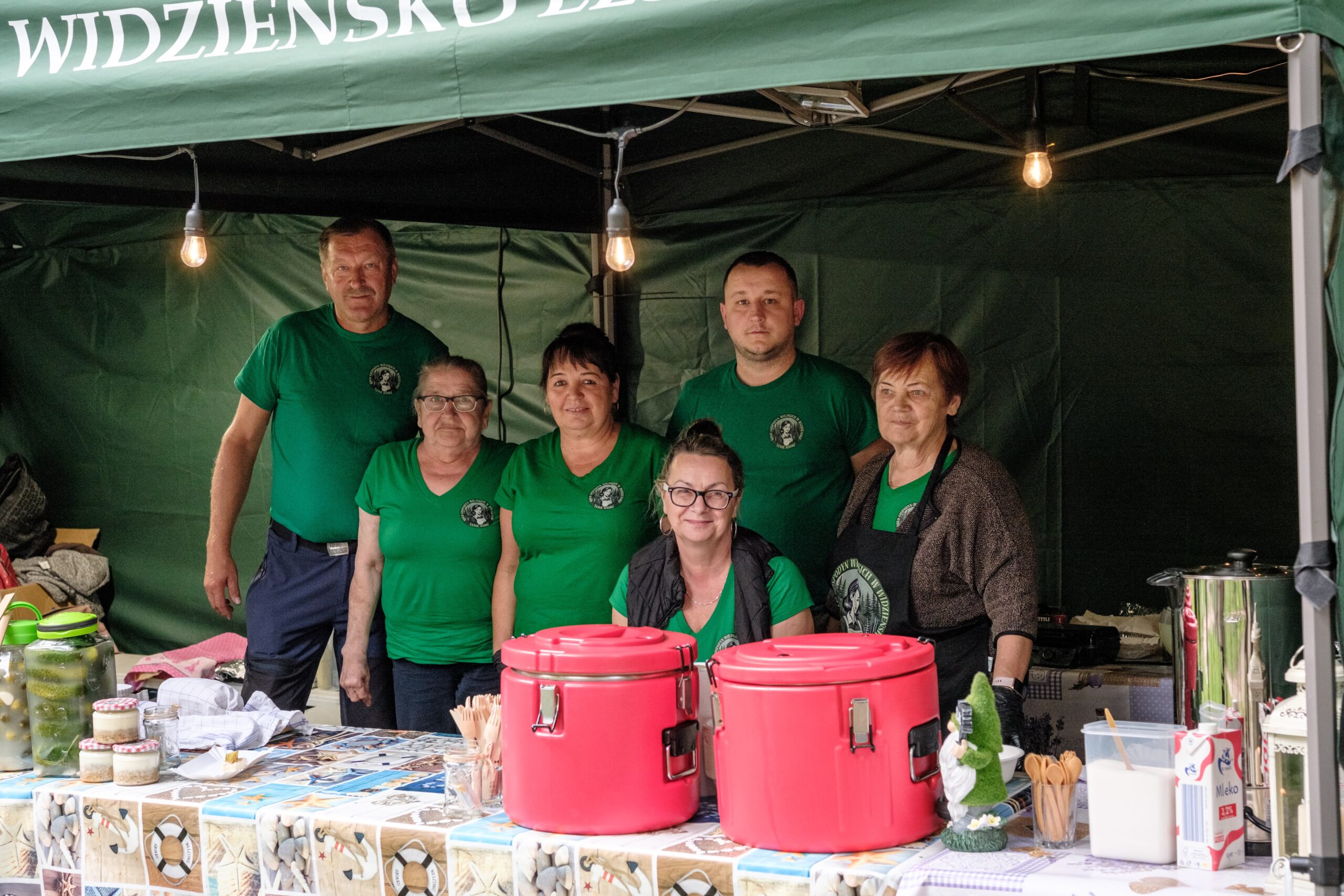
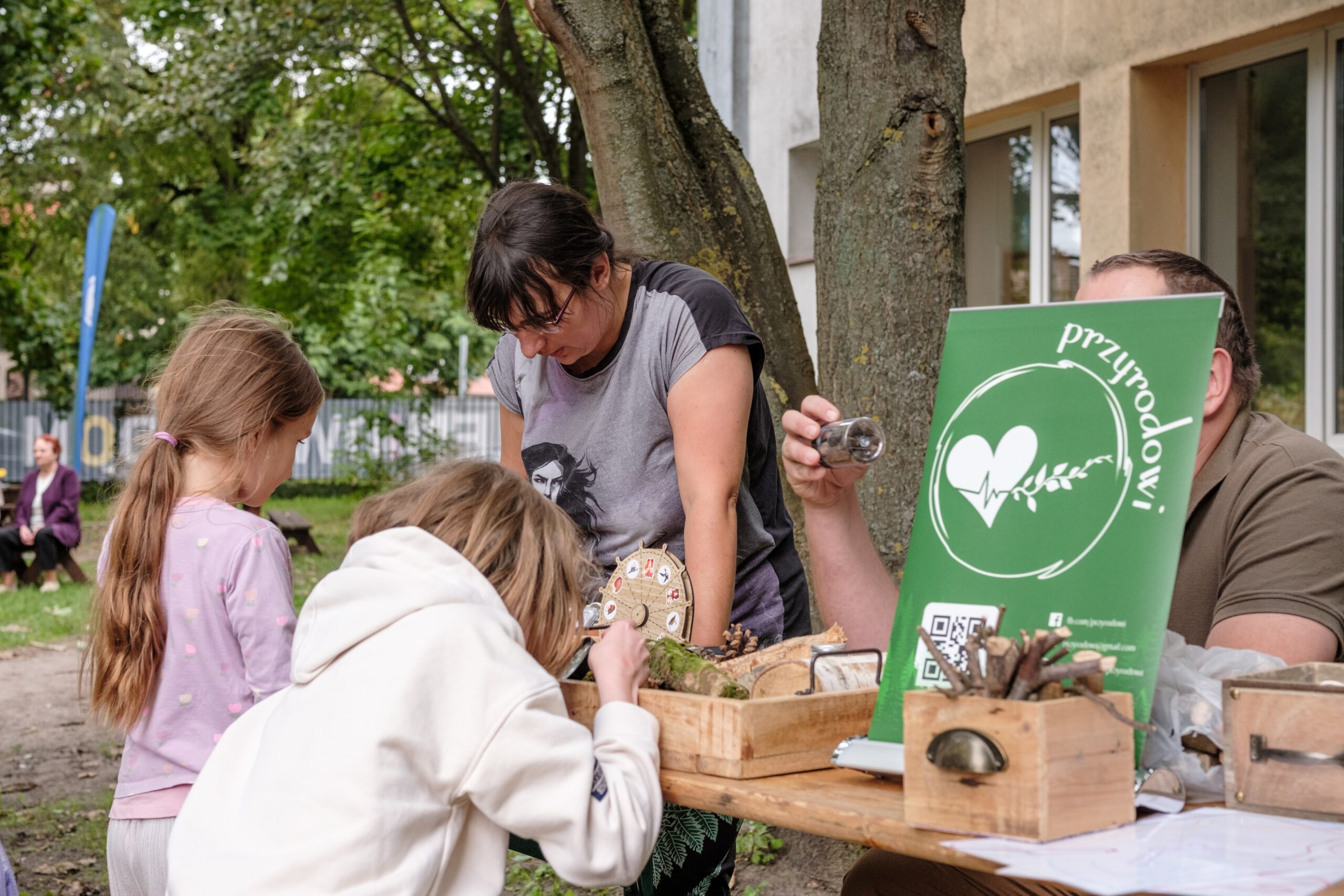
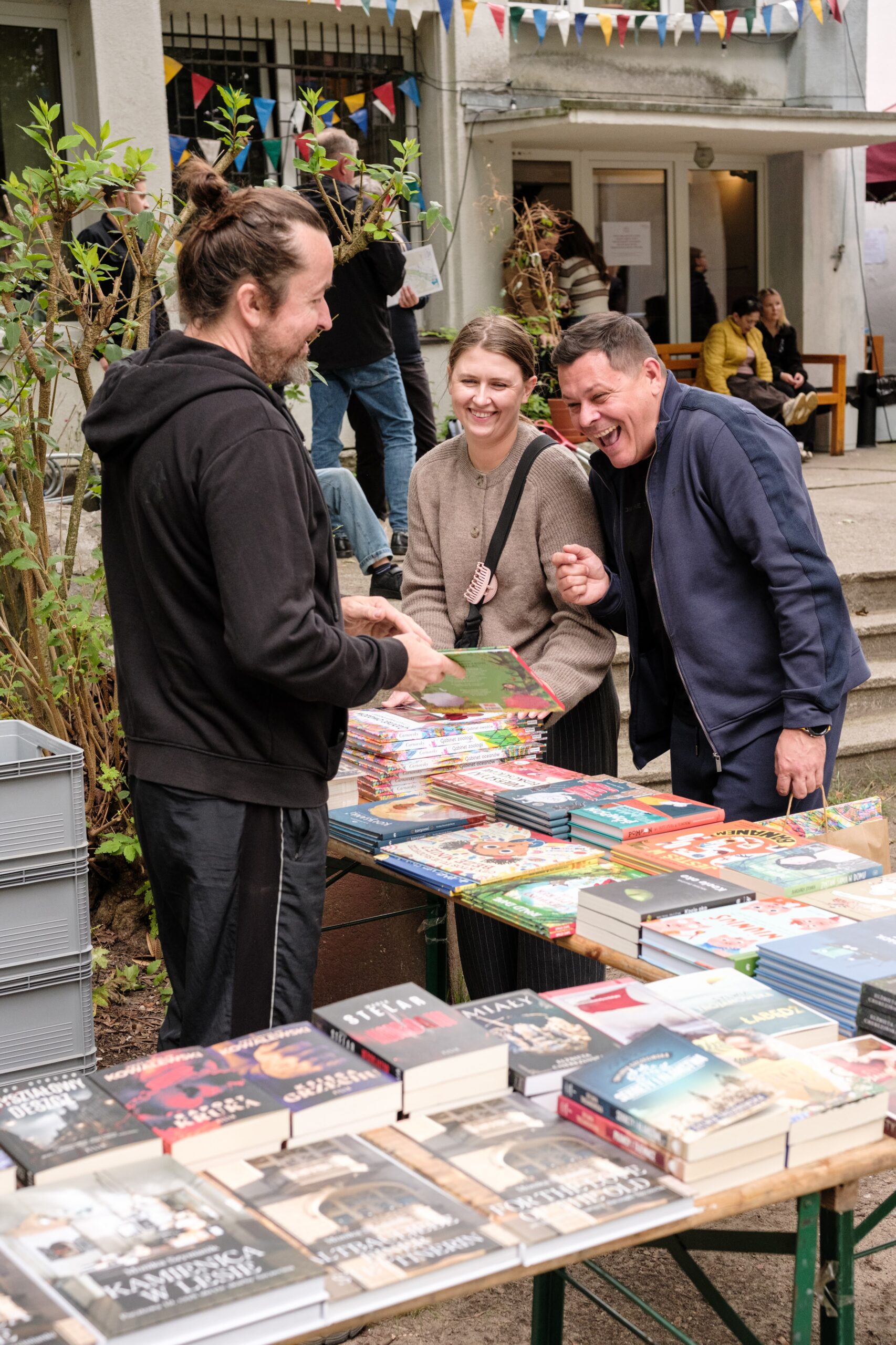
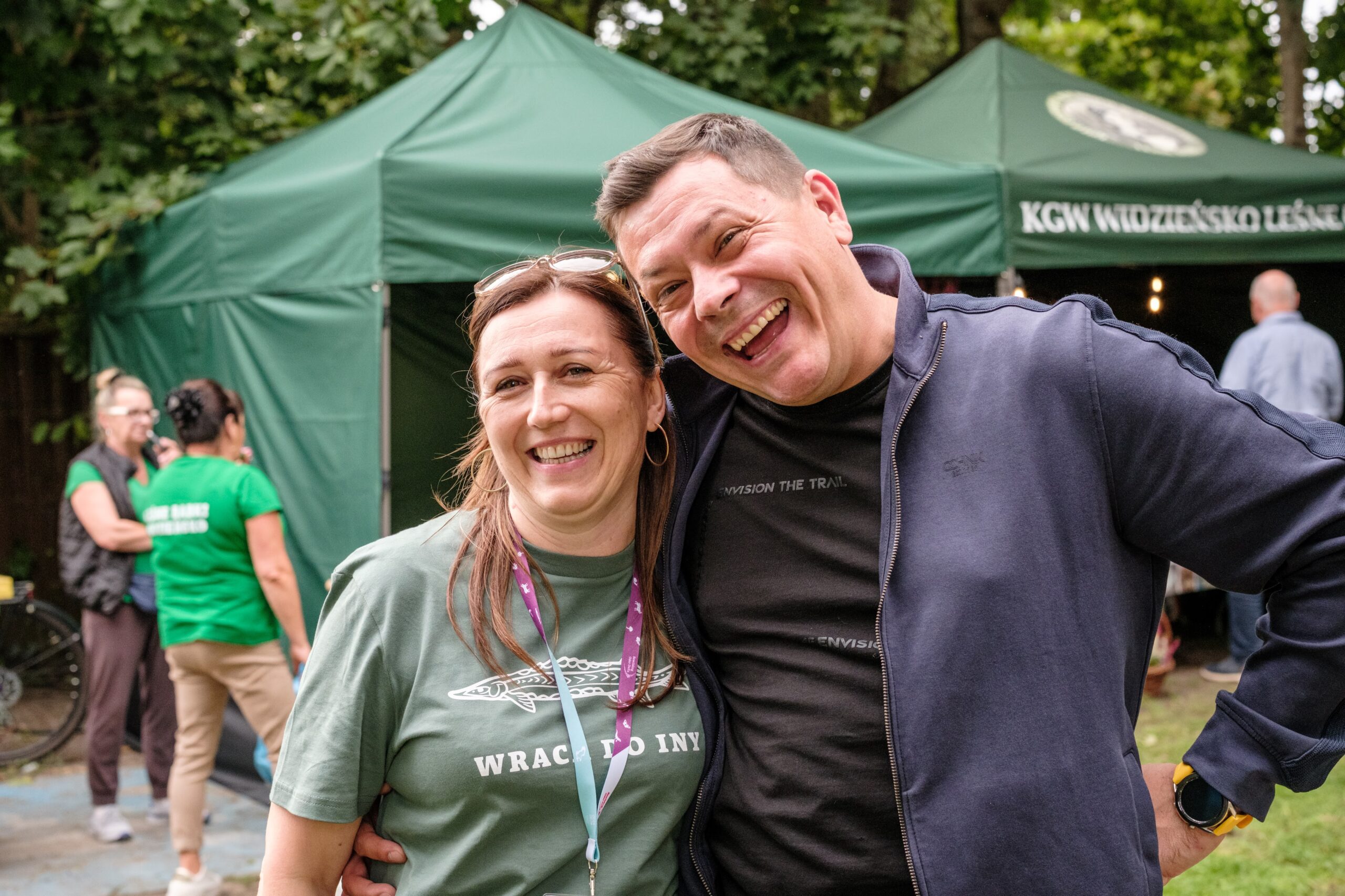
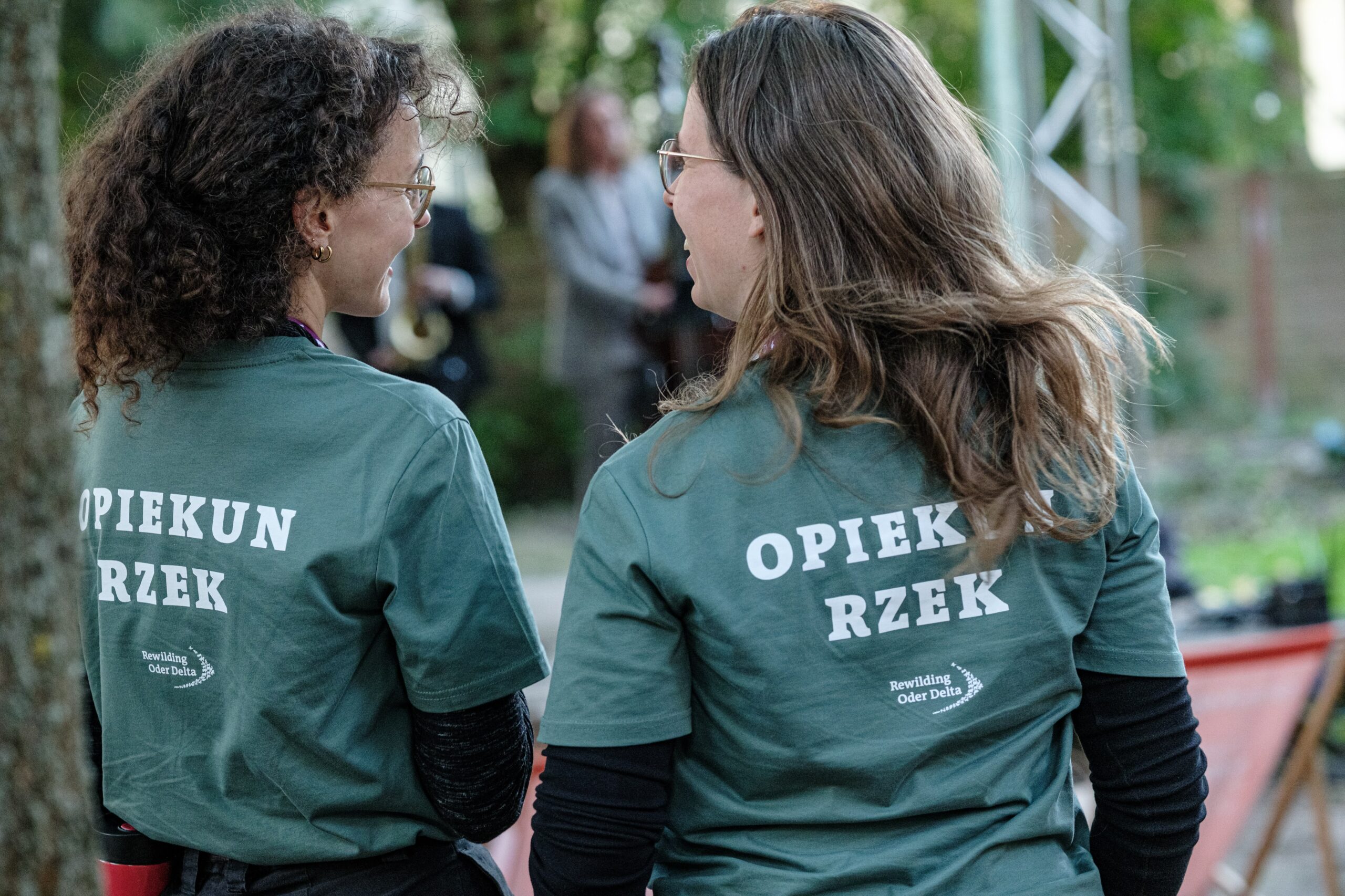
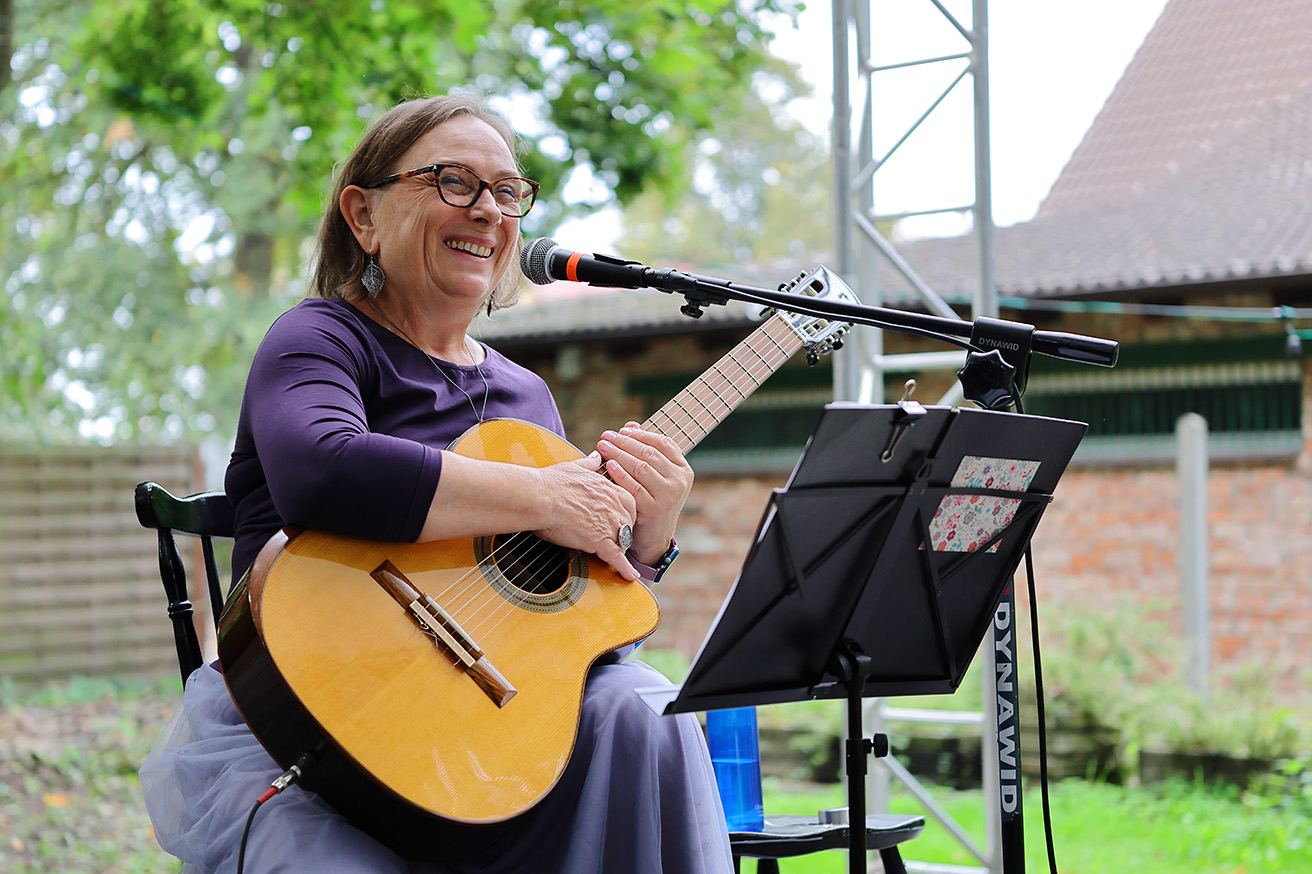
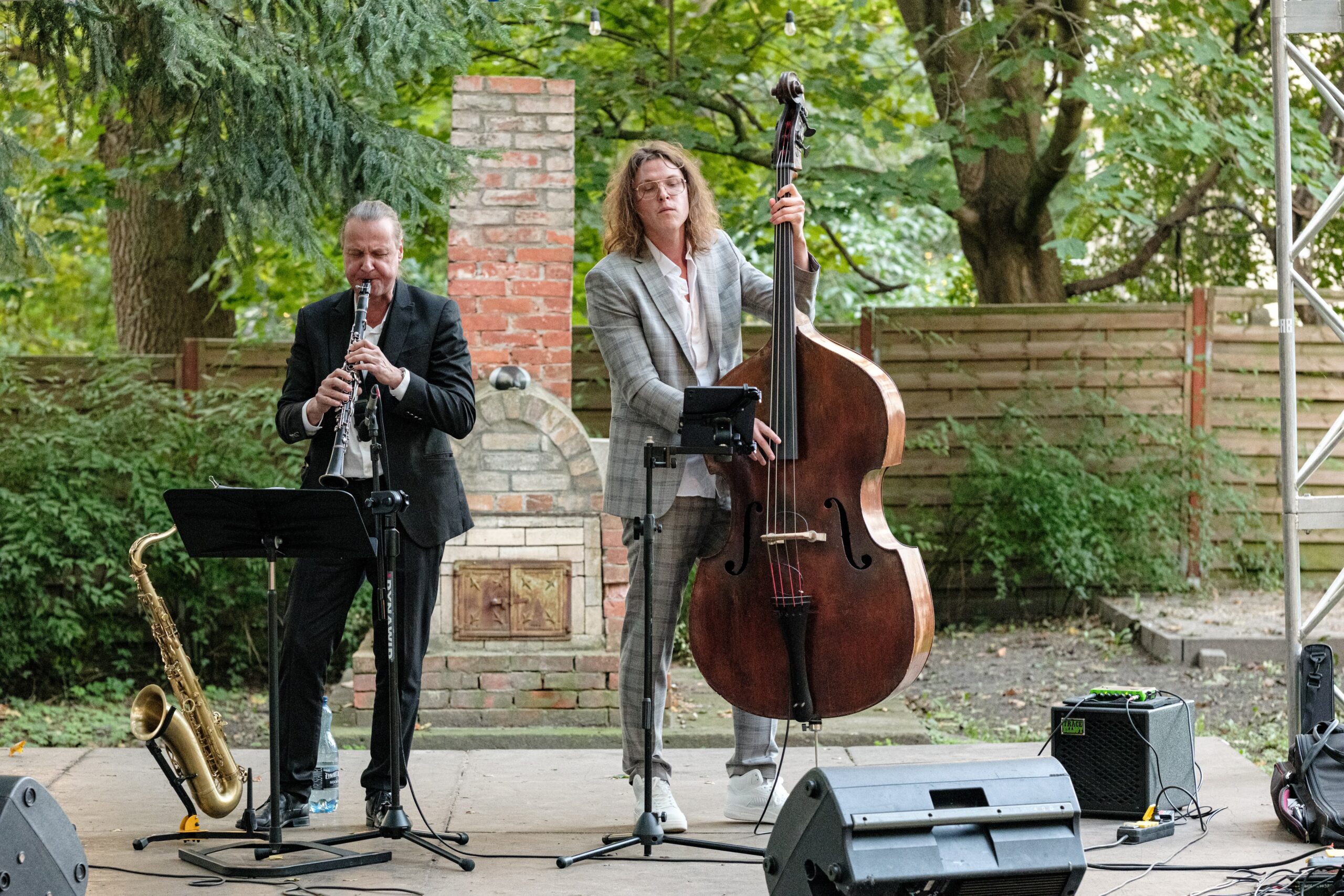
The event concluded with a picnic featuring a diverse program. In addition to delicacies offered by the “Leśne Babki” local association and the local volunteer group, attendees could participate in environmental education workshops hosted by the Goleniów library and the Przyrodowi organization. A highlight was the virtual walk through the Lower Oder Valley, made possible by VR headsets at the stand of the West Pomeranian Landscape Parks team. Other attractions included the sturgeon exhibition by Rewilding Oder Delta, film screenings, handicrafts sold by seniors from the University of the Third Age, and the mobile bookstore Kamienica w lesie. The event closed with two atmospheric concerts: sung poetry by Iwona Waligórska and a performance by the jazz duo Strychar Band.
Far more than a single release event
The decline of the Baltic sturgeon in the last century was primarily driven by river dams that obstructed its migrations, as well as by the pollution and regulation of rivers, which degraded spawning grounds. Compounding these factors was the catastrophic overfishing of the adult population. “Together for Rivers” is part of a broader initiative by Rewilding Oder Delta and its partner organizations.
“This is far more than a single release event. Together with the Leibniz Institute of Freshwater Ecology and Inland Fisheries (IGB) in Berlin and the Pomeranian District of the Polish Angling Association (PZW), we have established a partnership that offers a real chance for the permanent return of sturgeon to the Oder catchment area and the entire Baltic Sea basin,” said Pezold Knežević, Head of the Wilder Nature Team at ROD.
Over 20,000 sturgeon are set to be released into the Ina next year. The goal is to develop a program that enables the annual release of even more fish in the coming years. If successful, West Pomerania will become one of the key centers for rebuilding sturgeon populations in Europe and a model for how international cooperation can effectively restore entire river ecosystems.
The sturgeon released in Goleniów arrived in Poland as larvae. They were reared at the PZW Breeding and Stocking Centre, where they were fed exclusively on natural food and kept in tanks with water from the Wiśniówka River, a tributary of the Ina. This allowed them to adapt almost immediately to the local conditions they would encounter shortly after release, providing them with the best possible preparation for survival in the wild.
“For the PZW District, the restoration of the sturgeon population is another crucial step in the long-standing battle to fully restore the Ina ecosystem,” said Pender.
Sturgeon take a long time to mature, so it is expected that the fish released into the Ina on 18 September will return here to spawn in approximately 15 to 20 years.
